The Legislative Council is a key component of the parliamentary system in some Indian states. It serves as the upper house of the legislature. Members are elected and appointed. The council reviews legislation passed by the lower house. It plays a crucial role in representing various interests. The council also contributes to the law-making process. Its functions enhance democratic governance.
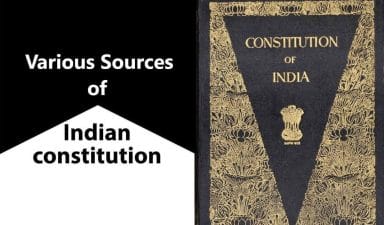
The Constitution of India which came into effect in 1950 is said to be the result of borrowings, both external as well as internal. The framers of the...
The Constitution of India, when enacted in 1950, had 22 parts. Parts VII was repealed in 1956 by the seventh amendment, reducing the number of parts to 21...
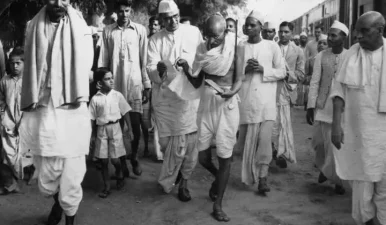
"The growth and the development of the national movement in India went a long way to develop certain values and ethos, which contributed a lot to the constitution-making...
During 1858 ' 1947, the British Parliament passed and enacted numerous legislations for India. The chief features of these acts can be stated, briefly, as under : The...
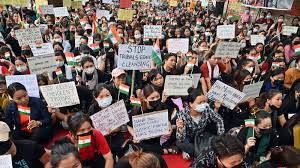
Manipur has suggested granting more autonomy to its existing autonomous hill councils in an effort to address the ongoing conflict and appease the Kuki community. These councils, governed...
Explore the intricate dynamics of the Andhra Pradesh (AP) legislative scenario, which is making the headlines due to a significant development. The AP assembly has passed a proposal...
The Odisha Legislative Assembly has proposed a resolution for the establishment of a second chamber, the State Legislative Council. The resolution is currently awaiting approval from the Central...
Recently, the Rajya Sabha Secretariat released an unprecedented analysis titled “Rajya Sabha: The Journey since 1952” to mark the 250th session of the Rajya Sabha. This report encapsulates...
The Trans-Himalayas, also designated as the Tibetan Himalayan Region, lie immediately north of the Great Himalayan Range. Unlike the main Himalayan folds, this zone represents an infrastructural extension...