
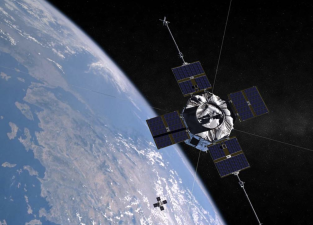
Van Allen Probe A, a retired NASA spacecraft weighing around 600 kilograms, is expected to re-enter Earth’s atmosphere after nearly 14 years in orbit. The satellite was part of a mission that studied the Van Allen radiation belts, which are zones of charged particles trapped by Earth’s magnetic field. Experts say the public risk is extremely small because most of the spacecraft will burn up during re-entry.
What is Van Allen Probe A?
Van Allen Probe A was launched in August 2012 with its twin spacecraft. The mission examined the structure and behaviour of the Van Allen belts, which are important for understanding space weather. The data helped scientists assess risks to satellites, astronauts and communication systems on Earth.
Why is it re-entering now?
The mission ended in 2019 after the spacecraft ran out of fuel. Since then, the probe remained in orbit and gradually lost altitude due to atmospheric drag. Increased solar activity has expanded Earth’s upper atmosphere slightly, which has raised drag and accelerated the satellite’s descent. Earlier estimates had suggested re-entry around 2034, but the process is now happening much sooner.
How much risk does it pose?
NASA and tracking agencies say the spacecraft will mostly disintegrate on re-entry because of the extreme heat and speed. Only a few small, durable fragments may survive. The chance of debris causing injury is estimated at about 1 in 4,200, which is considered very low. The risk is further reduced because around 71 per cent of Earth’s surface is covered by oceans, making it likely that any surviving debris will fall into water or remote areas.
Why does this matter?
Satellite re-entries are common in spaceflight and usually end without incident. The event marks the final stage of a mission that improved understanding of Earth’s radiation environment and contributed to safer future space operations.
Last Modified: April 29, 2026