
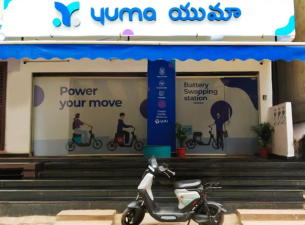
Yuma Energy and Indofast Energy have entered into separate strategic partnerships with the Mumbai Metro Rail Corporation Limited (MMRCL) to deploy a combined total of 45 battery swapping stations along Mumbai Metro Line 3, popularly known as the Aqua Line. Under these agreements, Yuma Energy will set up 22 battery swapping stations across nine metro stations dedicated to electric two-wheelers. Simultaneously, Indofast Energy—a joint venture between Indian Oil Corporation and Sun Mobility—will install 23 automated swapping stations across eight key stations, catering to electric two-wheelers, three-wheelers, and small commercial vehicles. This infrastructure expansion integrates mass rapid transit with electric vehicle (EV) ecosystems to optimize first- and last-mile urban connectivity.
Infrastructure and Strategic Rollout
Network Density and Location Layout
The combined initiatives introduce a dense network of energy hubs within high-footfall transit corridors. The infrastructure setup is divided across specific locations along the underground Aqua Line corridor to serve distinct commercial, residential, and transport hubs.
- Yuma Energy Network: Deploying 22 stations across nine micro-locations to scale up network density for light electric mobility.
- Indofast Energy Network: Deploying 23 stations across eight specific metro stations: Aarey JVLR, SEEPZ, MIDC, Santacruz Metro, Bandra Kurla Complex (BKC), Dharavi, Worli, and Acharya Atre Chowk.
Operational Scale in Mumbai
The existing footprint of both companies demonstrates the growing commercial scale of clean mobility orchestration in Mumbai’s transport landscape.
- Yuma Energy Operations: Currently manages an active fleet of over 13,000 electric vehicles and facilitates more than 20,000 daily battery swaps within the Mumbai metropolitan region.
- Indofast Energy Operations: Operates a growing baseline network in the city, which recently included the commissioning of its milestone 1,000th national battery swapping station at the Lokmanya Tilak Terminus (LTT).
Architectural and Commercial Models
Battery-as-a-Service (BaaS) FinTech Model
The deployment utilizes the Battery-as-a-Service (BaaS) operational philosophy, which decouples the cost of the mechanical vehicle chassis from the chemical energy storage unit.
- Upfront Cost Reduction: Eliminating the battery from the initial acquisition price reduces the purchase cost of an electric vehicle by 30% to 40%.
- Subscription Economics: Users access fully charged batteries via structured subscription plans or flexible, usage-based pay-per-use energy pricing models.
- Risk Mitigation: The corporate operator retains ownership and structural liability for battery degradation, thermal safety management, and end-of-life recycling.
Non-Fare Box Revenue Generation
For the Mumbai Metro Rail Corporation Limited, the allocation of real estate for EV infrastructure serves as a core mechanism for financial diversification. Non-Fare Box Revenue (NFBR) involves generating income from asset monetization, retail leasing, and commercial partnerships outside of passenger ticket sales. This model allows public transport authorities to optimize station space utility while underwriting urban infrastructure costs.
Socio-Economic and Industrial Impact
Optimization of the Gig Economy
The primary beneficiaries of station-based decoupling are commercial delivery partners, food logistics fleets, and e-commerce gig workers. Traditional plug-in public charging requires static vehicle downtime ranging from 45 minutes to several hours. Automated battery swapping reduces this energy replenishment window to under 60 seconds, eliminating range anxiety and maximizing the daily earning potential of fleet drivers.
Environmental and Urban Logistics Benefits
The structural shift toward integrated multi-modal transport directly addresses urban decarbonization goals.
| Metric | Indofast Energy National Cumulative Impact (FY26) |
| Total Active Stations | Over 1,600 stations across 23 cities |
| Total Onboarded EVs | More than 90,000 vehicles |
| Clean Travel Facilitated | 1.6 billion kilometers |
| Carbon Dioxide Emitted Avoided | Approximately 80,000 tonnes |
| Original Equipment Manufacturer (OEM) Partners | 32 manufacturers |
IASPOINT Booster Facts for UPSC
- Mumbai Metro Line 3 (Aqua Line): A 33.5-kilometer-long fully underground metro corridor connecting Colaba in South Mumbai to Bandra-Kurla Complex (BKC) and Aarey Eco-Sensitive Zone in the north.
- Multi-Turn Group Relative Policy Optimization (MT-GRPO): An advanced reinforcement learning algorithm used in modern algorithmic EV fleet dispatch software to optimize station-level battery distribution based on real-time consumer demand patterns.
- FAME-India Scheme: The Faster Adoption and Manufacturing of Hybrid and Electric Vehicles scheme, formulated by the Ministry of Heavy Industries, provides the overarching fiscal and policy framework for public EV charging and swapping infrastructure components.
- NITI Aayog Battery Swapping Policy Draft: Formulated to establish technical interoperability standards, defining rigid criteria for battery dimensions, charging connectors, and communication protocols across multi-vendor networks to ensure absolute system compatibility.
- First-Mile and Last-Mile Connectivity: The operational efficiency of the beginning and ending segments of a public transit passenger journey. Integrating EV spaces inside public railway networks bridges this structural gap using zero-emission transport options.