
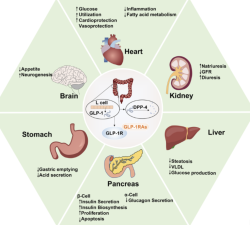
Peptide therapeutics are gaining attention in modern medicine and clinical research. These medicines use short chains of amino acids to target specific biological pathways. They are increasingly studied for diabetes, obesity, cancer, immune disorders and regenerative medicine. At the same time, their growing popularity in fitness, wellness and anti-ageing markets has raised concerns about misuse and unapproved products.
What Peptide Therapies Are
Peptides are small chains of amino acids, which are the building blocks of proteins. In the body, they act as messengers that regulate hormone release, metabolism, immunity and tissue repair. Therapeutic peptides are designed to mimic these natural signals and act on specific receptors.
- They are often more targeted than many conventional drugs.
- They are generally better tolerated in some cases.
- Many are given by injection because they can break down in the digestive system if taken orally.
Growing Medical Applications
Interest in peptide medicines has expanded across several specialties. GLP-1 based peptide drugs are widely used in diabetes and obesity management because they help regulate blood sugar and appetite. In oncology, peptides are being studied to target tumour receptors and deliver drugs to cancer cells. Other areas of research include:
- Endocrinology, including infertility, growth disorders and thyroid disease.
- Immunology, including viral infections and inflammatory diseases.
- Regenerative medicine, including repair of muscles, tendons and nerves.
- Dermatology, wound healing, osteoporosis and cardiovascular disease.
Clinical Use and Research Pipeline
Several peptide medicines are already part of routine healthcare. Insulin analogues and hormonal peptides are established examples. Globally, more than 80 peptide-based drugs have been approved, and over 150 are in clinical trials. Peptide drugs also form a notable share of new medicines approved in recent years.
Risks, Misuse and Regulation
The rise of peptide promotion in biohacking, fitness and anti-ageing has led to over-marketing. Many products sold online have limited or no human trial data. Some are marketed as research chemicals and may contain impurities or incorrect doses. Improper use can cause:
- Metabolic disturbances.
- Endocrine imbalance.
- Cardiovascular risks.
- Serious harm from self-injection of unapproved compounds.