
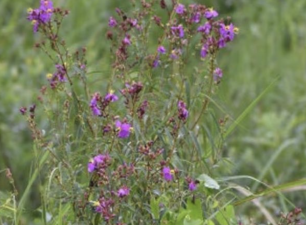
A new plant species has been discovered in Assam and named Osbeckia zubeengargiana in honour of Assamese cultural icon Zubeen Garg. The species belongs to the Melastomataceae family and was found in the grasslands of Manas National Park in Baksa district. The discovery adds to the botanical richness of Assam and marks the ecological value of grassland habitats in the Eastern Himalayas.
Discovery and Naming
The species was identified during floristic explorations carried out between 2021 and 2025 as part of doctoral research on the Melastomataceae family in Assam. The researchers named it after Zubeen Garg to recognise his contribution to Assamese culture and his support for nature conservation. The naming also reflects a growing practice of linking scientific discoveries with public figures who have promoted environmental awareness.
Key Botanical Features
- Osbeckia zubeengargiana is a perennial erect shrub that can grow up to 3.5 metres tall.
- It bears pink tetramerous flowers.
- The species is closely related to Osbeckia rostrata but differs in leaf structure, flower arrangement, hypanthium shape and seed size.
- It flowers and fruits from mid-September to January.
Habitat and Ecological Context
The plant was collected from a grassland ecosystem inside Manas National Park, where a large population was observed. It grows alongside species such as Chrysopogon zizanioides, Maesa indica, Bombax ceiba and Dillenia pentagyna. Its presence underlines the importance of grassland biodiversity in protected areas and the need for habitat conservation in Assam.
Scientific Significance
The discovery contributes to the understanding of the genus Osbeckia, which is widely distributed in Southeast Asia. Several species of the genus are endemic to India’s Eastern Himalayas and Western Ghats. The finding strengthens Assam’s status as a region of high floral diversity and supports further taxonomic research in the Northeast.
Last Modified: April 29, 2026