
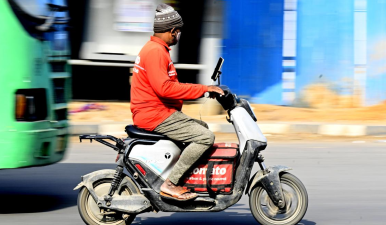
Karnataka operationalised India’s first dedicated digital grievance redressal system for platform-based gig workers on 1 May 2026. Developed by the Karnataka Platform-Based Gig Workers Welfare Development Board in collaboration with the Department of e-Governance, the mechanism integrates with the state’s central Integrated Public Grievance Redressal System portal. The system provides a formal dispute resolution path for an estimated 12 lakh active platform workers in the state, addressing critical issues like arbitrary account suspensions, payment withholding, and hazardous working conditions. This setup enforces structured accountability onto digital aggregators operating within the state.
Regulatory Architecture and Legislative Framework
The digital grievance redressal system functions under the legislative mandate of the Karnataka Platform-Based Gig Workers (Social Security and Welfare) Act, 2025. This legal framework structures the relationships between gig workers, digital platforms, and the state government.
The Welfare Development Board
The Karnataka Platform-Based Gig Workers Welfare Development Board serves as the apex tripartite regulatory body. Headquartered in Bengaluru, the Board is headed by the state Labour Minister as its ex-officio President. The administrative composition consists of:
- State Labour Minister (Ex-officio President)
- Government secretaries from relevant departments
- A Chief Executive Officer (Additional Labour Commissioner)
- Four representatives representing gig workers
- Four representatives representing digital aggregators
- Two civil society representatives
Mandatory Registrations and De-duplication
Aggregators must register themselves with the Board within 45 days of the enforcement of the regulations. Platforms must upload their database of onboarded workers within the same timeframe. The Board generates a unique identification number for each worker to clean up duplicate entries caused by individuals working across multiple apps simultaneously.
The Dispute Resolution Mechanism
The system replaces internal platform ticketing with a legally backed, time-bound escalation ladder managed via the public portal.
Internal Dispute Resolution Committee
Every aggregator operating in Karnataka with a workforce must establish an Internal Dispute Resolution Committee. When a gig worker lodges a complaint on the central portal, the software automatically routes the dispute to the respective platform’s committee.
Time-Bound Enforcement Window
The dispute resolution framework operates under a strict statutory timeline:
- Initial Resolution Attempt: The committee must attempt an active resolution within 15 working days.
- Final Order Formulation: The committee must issue its final decision within 45 days.
- Appellate Recourse: Workers who do not receive a resolution within the 14-day window or are dissatisfied with the final order can appeal to the Welfare Board within 30 days.
Valid Grounds for Grievances
Workers can lodge formal complaints on the portal across specific industrial friction points:
- Unilateral or arbitrary suspension, blocking, or deactivation of worker accounts.
- Arbitrary reduction, withholding, or penal deduction of transaction payouts.
- Non-compliance with occupational safety and health standards.
- Algorithmic bias and discriminatory practices built into automated monitoring software.
Financial Architecture and Welfare Provisions
The Act institutes a self-sustaining funding system designed to bankroll social security benefits without relying entirely on state budgetary allocations.
The Social Security and Welfare Fund
The state has set up the Karnataka Gig Worker’s Social Security and Welfare Fund. The resource pool is financed through:
- A mandatory welfare fee levied on aggregators.
- Strategic grants-in-aid from central and state governments.
- Optional contributions from the registered workers.
- Returns generated from fund investments and donations.
Welfare Fee Structure
Aggregators are legally liable to pay a welfare contribution calculated between 1% to 5% of the gross payout of every digital transaction. For the initial implementation phase beginning July 2025, the state capped the collection at a baseline fee of 1% to 1.5% of the transaction value. The accumulated funds are earmarked for targeted welfare programs, including health insurance, accident cover, maternity benefits, and disability support.
Transparency and Algorithmic Accountability
The regulatory framework targets the asymmetric distribution of information between digital applications and gig workers by mandating operational transparency.
Written Contracts and Notification Obligations
Platforms must provide explicit, written contracts available in Kannada, English, or any regional language listed in the Eighth Schedule of the Constitution known to the worker. Aggregators must provide a 14-day prior notice before making material changes to remuneration structures or working conditions.
Algorithmic Clarification and Natural Justice
The regulations bar aggregators from terminating contracts without providing valid reasons in writing. Platforms must explicitly outline the functioning parameters of their automated monitoring, consumer rating, worker categorization, and decision-making systems. Automated algorithms must be audited to prevent active discrimination based on religion, race, caste, gender, place of birth, or disability.
Comparative Landscape of Gig Work Regulations
| Feature / Dimension | Karnataka Act, 2025 | Rajasthan Act, 2023 | Code on Social Security, 2020 (Central) |
| Nodal Grievance Portal | Centralised via state portal | State-managed platform | Centralised National Portal (e-Shram integrated) |
| Primary Dispute Body | Internal Dispute Resolution Committee (IDRC) | Grievance Redressal Officer | Social Security Organisations / Board |
| Funding Mechanism | 1% to 5% fee per transaction payout | 1% to 2% welfare cess on total transaction value | 1% to 2% turnover-based contribution from aggregators |
| Algorithmic Oversight | Statutory transparency; mandates 14-day notice for changes | Focuses on registration and social security access | Frame-level guidelines with limited automated software audits |
| Mandatory Timeline | 15 days for resolution; 45 days for final order | Prescribed timeframes under rules | No strict operational deadline defined in parent code |
IASPOINT Booster Facts for UPSC
- Definition of Gig Worker: The Code on Social Security, 2020 defines a gig worker as a person who performs work or participates in a work arrangement and earns from such activities outside of a traditional employer-employee relationship.
- Definition of Platform Work: A work arrangement outside of a traditional employment relationship where organizations or individuals use an online platform to access other organizations or individuals to solve specific problems or to provide specific services in return for payment.
- NITI Aayog Projections: According to NITI Aayog’s “India’s Booming Gig and Platform Economy” report, India’s gig workforce is projected to expand to 23.5 million workers by 2029-30, up from 7.7 million in 2020-21.
- First State to Legislate: Rajasthan was the first Indian state to pass dedicated legislation for platform workers via the Rajasthan Platform Based Gig Workers (Registration and Welfare) Act, 2023. Karnataka is the first state to deploy a dedicated digital portal for grievance routing.
- Constitutional Dimensions: Labor welfare falls under the Concurrent List (List III) of the Seventh Schedule of the Constitution of India, allowing both Central and State governments to construct specific legislation.
- International Precedent: The International Labour Organization (ILO) emphasizes the protection of platform workers under its Decent Work Agenda, focusing on social security, fair contracts, and dispute settlement mechanisms.