
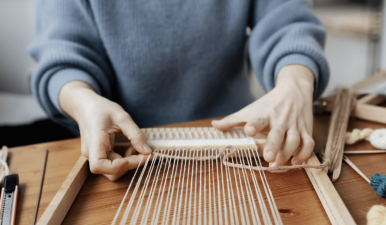
Delhi has approved a new Chief Minister Skill Development Scheme to support artisans linked to khadi, handloom, cottage industries and the unorganised sector. The programme will be implemented by the Delhi Khadi and Village Industries Board and will begin with training for thousands of beneficiaries, especially tailors registered on the e-Shram portal. The initiative aims to combine traditional craftsmanship with modern skills, digital access and market linkages.
Scheme Coverage and Funding
The first phase for 2025–26 will train 3,728 beneficiaries, with Rs 8.95 crore sanctioned. A larger allocation of Rs 57.50 crore is proposed for 2026–27 to expand the scheme. The initial focus is on nearly 18,000 tailors, and the programme will later cover embroiderers, dressmakers, potters, carpenters, cobblers, basket and mat makers, perfumers, bamboo artisans, barbers, garland makers, washermen, fishing net makers and carpet weavers.
Eligibility and Training Model
Applicants must be at least 18 years old. Only one member from each family can benefit. Government employees and their family members are not eligible. Aadhaar-based identification will be mandatory at enrolment. Each beneficiary will receive 12 days of structured training, equal to 96 hours, including a two-day Entrepreneurship Development Programme. Training will be held in small batches of 35 to 45 participants for better guidance.
Stipend, Toolkit and Digital Support
Each trainee will receive a stipend of Rs 4,800, calculated at Rs 400 per day, along with Rs 100 per day for meals. Essential toolkits, including foot-operated sewing machines where needed, will also be provided after training. The scheme also includes digital onboarding through e-catalogues containing artisan profiles, photographs and product details.
Market Access and Policy Significance
These e-catalogues will be uploaded on the Open Network for Digital Commerce, helping artisans reach buyers across India and in overseas markets. The scheme also includes merchandising, logistics, IT operations and fashion production training. It seeks to preserve traditional crafts while improving self-employment, entrepreneurship and access to modern markets.
Last Modified: April 28, 2026