
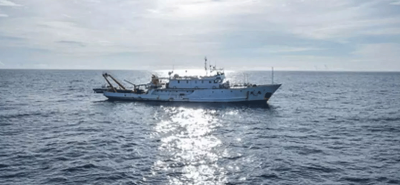
On 13 May 2026, the Indian-flagged mechanized sailing vessel MSV Haji Ali was attacked off the coast of Limah, Oman, near the strategic Strait of Hormuz. The vessel, carrying livestock from Berbera Port in Somalia to Sharjah in the United Arab Emirates, caught fire and subsequently sank following a suspected drone or missile strike. The Ministry of External Affairs officially condemned the strike on 14 May 2026, terming the targeting of commercial shipping and civilian mariners unacceptable. All 14 Indian crew members on board were safely rescued by the Oman Coast Guard and transported to Dibba Port.
Geopolitical Vulnerabilities in the Western Indian Ocean
The strike on MSV Haji Ali occurred just south of the Strait of Hormuz, a critical chokepoint that handles approximately one-fifth of global oil and liquefied natural gas shipments. Ongoing regional confrontations involving Iran, Israel, and the United States have turned this trade corridor into a high-risk zone, causing shipping volatility and escalating costs for energy-importing nations.
Escalation Risks for Small Commercial Vessels
While international defense mechanisms focus primarily on large oil tankers, smaller non-regulated commercial craft like dhows and mechanized sailing vessels are increasingly targeted. This was the second such incident in short succession; earlier, another Gujarat-registered vessel, MSV Al Faiz Noor-e Suleimani, sank after being caught in regional crossfire.
Maritime Chokepoints and Trade Disruption
The waters bordering the Arabian Peninsula, the Gulf of Oman, and the Arabian Sea form the economic lifeline connecting East Africa, South Asia, and the Persian Gulf. Disruptions in these waters directly hit regional trade logistics and threaten Indian export-import supply chains.
Regulatory and Legal Framework for Indian Shipping
Indian-flagged commercial vessels operate under a strict dual regime of national laws and international conventions to ensure structural safety, freedom of navigation, and crew security.
Merchant Shipping Act, 1958
This is the primary domestic legislation regulating Indian-flagged ships. It governs the registration of vessels, safety certification, inspections, and crew welfare. Ships registered under this Act are entitled to fly the Indian national flag and receive diplomatic and naval protection from the Government of India in international waters.
International Conventions and Codes
India is a signatory to major global maritime legal instruments administered by the International Maritime Organization:
- UNCLOS (1982): The United Nations Convention on the Law of the Sea establishes the legal framework for marine zones, granting nations freedom of navigation in international waters and exclusive economic zones.
- SOLAS Convention: The International Convention for the Safety of Life at Sea sets minimum safety standards for construction, equipment, and operation of merchant ships.
- ISPS Code: The International Ship and Port Facility Security Code prescribes risk-management profiles for ships and port facilities to detect and prevent security threats.
India’s Institutional Architecture for Maritime Security
India maintains a multi-layered security and monitoring operational framework to secure trade lanes across the Indian Ocean Region.
Information Fusion Centre – Indian Ocean Region
The Information Fusion Centre – Indian Ocean Region based in Gurugram acts as a regional nodal point for maritime domain awareness. It tracks merchant shipping movements, monitors white shipping data, and shares real-time threat inputs regarding piracy, armed robbery, and aerial drone strikes with partner nations.
Indian Navy Protection Initiatives
The Indian Navy deploys guided-missile destroyers and frigates under dedicated maritime security operations, such as Operation Sankalp in the Gulf Region, to escort Indian-flagged merchant vessels and respond to distress calls.
Maritime Risk Profiles and Operational Metrics
| Security Parameter | Operational Impact on Indian Shipping |
| Primary Threats | Anti-ship ballistic missiles, loitering munitions (drones), sea piracy, and naval blockades. |
| Insurance Risks | Classification of the Persian Gulf and Gulf of Oman as “Listed Areas” by the Joint War Committee, raising war risk premiums. |
| Vessel Vulnerability | Mechanized Sailing Vessels often operate with Automatic Identification System transponders turned off, reducing tracking visibility. |
| Strategic Bottleneck | The 33-kilometer-wide Strait of Hormuz remains the single most critical corridor for India’s crude imports. |
IASPOINT Booster Facts for UPSC
- Strait of Hormuz Geography: It connects the Persian Gulf (west) with the Gulf of Oman and the Arabian Sea (southeast). It is bordered by Iran to the north and Oman (Musandam exclave) and the UAE to the south.
- Territorial Waters vs High Seas: Under UNCLOS, territorial waters extend up to 12 nautical miles from the baseline, where the coastal state exercises full sovereignty. The Exclusive Economic Zone extends up to 200 nautical miles, where foreign vessels enjoy freedom of navigation.
- Directorate General of Shipping: Attached office of the Ministry of Ports, Shipping and Waterways, dealing with maritime administration, training, and hazardous cargo safety.
- Sagarmala Programme: India’s flagship initiative aiming at port-led development, coast light-house tourism, and improving maritime logistics infrastructure.