
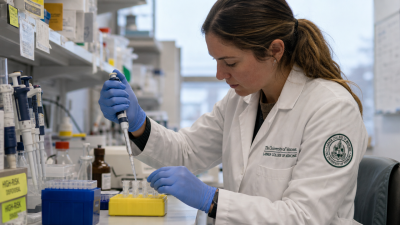
A recent PNAS paper by Prof Leigh Knodler (University of Vermont) reports that intestinal epithelial cells limit intracellular Salmonella growth by withdrawing iron and manganese through the SLC11A2 transporter. The finding describes a host “nutritional immunity” layer and points to metal-transport pathways as possible targets for new diagnostics and therapeutics.
Introduction: Salmonella and foodborne illness
Salmonella is a common bacterial cause of foodborne disease. It produces a spectrum from self-limiting gastroenteritis to invasive illness in vulnerable groups. Globally and in India, food-safety gaps, sanitation shortfalls and crowded health systems increase disease burden and strain public health resources.
The discovery: mechanism and evidence
Core finding
Intestinal epithelial cells actively restrict intracellular Salmonella growth by limiting access to divalent metals, notably iron and manganese. The transporter SLC11A2 pumps these metals away from bacteria residing within epithelial cells.
Nutritional immunity as defence layer
- Definition: Host-mediated withholding of essential nutrients from pathogens to restrict microbial replication.
- Role here: Metal withdrawal functions as a secondary defence after the epithelial barrier is breached.
- Evidence: Researchers used specialised fluorescent metal sensors to localise metal depletion sites in the gut and to observe SLC11A2 activity against intracellular Salmonella.
Scientific and translational implications
- Therapeutic avenues: Small molecules or biologics that modulate SLC11A2 or related transporters could restrict pathogen growth without direct bactericidal action, reducing selective pressure for antibiotic resistance.
- Diagnostics: Biomarkers of epithelial metal handling or sensor-based imaging could help detect active infection or monitor therapy.
- Scope: Approaches may apply to other enteric pathogens that rely on divalent metals.
Public health significance
- Vulnerable groups: Elderly, infants, malnourished and immunocompromised patients face higher risk of invasive disease; host-directed strategies could protect these groups.
- Antimicrobial stewardship: Host-targeted modalities provide alternatives that may reduce antibiotic use and resistance development.
- Health systems: New diagnostics can improve surveillance and outbreak response, complementing laboratory culture and molecular testing.
Role of basic research and funding
- Basic science value: Mechanistic studies reveal host-pathogen interactions that form the basis for later clinical innovation.
- Funding example: The study was supported by an NIAID R21 award, illustrating targeted grants for exploratory, high-risk science.
- Policy implication: Sustained investment in translational bridges—preclinical models, GLP studies and phase‑1 trials—is required to convert findings into products.
Relevance for India and resource-constrained settings
- Disease burden: India bears large numbers of foodborne infections; gaps in water, sanitation and food-handling contribute to transmission.
- Institutions and programmes: ICMR, DBT, DST and state public-health labs, along with FSSAI and IDSP, can incorporate host-directed research into surveillance and translational pipelines.
- Cost and access: Host-targeted therapeutics and low-cost diagnostics must be prioritised for affordability and ease of deployment in peripheral health centres.
Challenges and way forward
| Challenge | Required action |
|---|---|
| Biological complexity of metal homeostasis | Systematic mapping of gut transporters; animal models and human organoids for validation |
| Translation to clinic | Preclinical safety, regulatory pathway planning, public–private partnerships for drug development |
| Surveillance integration | Develop biomarker-based diagnostics compatible with existing IDSP and lab networks |
| Equitable access | Policy safeguards, pricing strategies, inclusion in national programmes |
Model Questions
1. Explain the concept of “nutritional immunity” and analyse how the SLC11A2‑mediated metal withdrawal by intestinal epithelial cells restricts Salmonella growth. [GS-III: Science & Technology]
The host limits essential nutrients to impede pathogens; this is nutritional immunity. In the reported mechanism intestinal epithelial cells use SLC11A2 to export iron and manganese away from intracellular Salmonella. Metal deprivation reduces bacterial replication capacity. This defence acts after barrier breach and complements immune cell responses. Targeting transporter activity could suppress infection without directly killing bacteria, potentially lowering antibiotic selection pressure.
2. Assess public health implications of targeting host metal-transport pathways for treatment and diagnostics of food-borne infections, with reference to governance priorities. [GS-II: Governance]
Host-directed strategies offer alternatives to antibiotics and may reduce resistance. Diagnostics that detect altered epithelial metal handling can improve surveillance and outbreak control. Governance priorities include regulatory pathways, integration with IDSP and FSSAI, funding for translational research, and procurement strategies ensuring affordability. Policies must balance innovation incentives with access for vulnerable populations and strengthen laboratory and clinical trial capacity.
3. Discuss the role of basic research and targeted funding in advancing knowledge of host‑pathogen interactions, using the NIAID‑funded SLC11A2 study as an example. [GS-III: Science & Technology]
Basic research uncovers mechanisms like metal withholding that form the basis for new interventions. Exploratory grants such as NIAID R21 enable high‑risk, hypothesis‑driven work. To translate findings governments and agencies must fund preclinical development, foster academia–industry links, and support cohort studies and trials. Sustained funding pipelines and capacity building in regulatory science accelerate conversion to diagnostics and therapeutics.
4. Examine how knowledge of nutritional immunity can inform infectious disease policy and interventions in resource‑constrained settings. [GS-II: Governance]
Understanding host nutrient withholding suggests non-antibiotic control strategies, suitable where drug access or stewardship is limited. Policy measures should prioritise low-cost diagnostics, integrate host-directed measures into existing surveillance, and support local trial sites. Investments in sanitation, food-safety enforcement by FSSAI, and training of peripheral labs will amplify impact. Equity and cost considerations must guide rollout to protect high‑risk groups.
Last Modified: June 30, 2026