
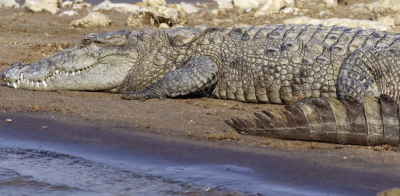
The latest crocodile census in Odisha’s Similipal National Park has recorded a marginal rise in the population. The number of crocodiles has increased from 81 last year to 84 this year. The count reflects continued conservation efforts in the park’s river and forest ecosystem, including the release of hatchlings from the breeding centre into natural water bodies.
Census Coverage and Method
- The census was conducted from 5 to 8 of this month.
- It covered 20 locations across eight major water bodies in Similipal.
- Forest personnel carried out the survey in key river and wetland habitats.
Key Population Findings
- The Deo River recorded the highest number with 60 crocodiles.
- South Simlipal forest division accounted for 78 crocodiles.
- North Simlipal forest division recorded one crocodile.
- Ramatirtha Crocodile Breeding Centre had five crocodiles.
Conservation Significance
- The rise in numbers indicates the effectiveness of sustained protection measures.
- Regular release of hatchlings from the breeding centre has supported population growth.
- Protection of aquatic habitats remains important for long-term crocodile survival.
- Similipal continues to be habitat for crocodile conservation in Odisha.
Ecological Importance of Similipal
- Similipal National Park is a major biodiversity zone in eastern India.
- Its rivers and water bodies support aquatic and terrestrial wildlife.
- Monitoring of crocodile numbers helps assess the health of the ecosystem.