
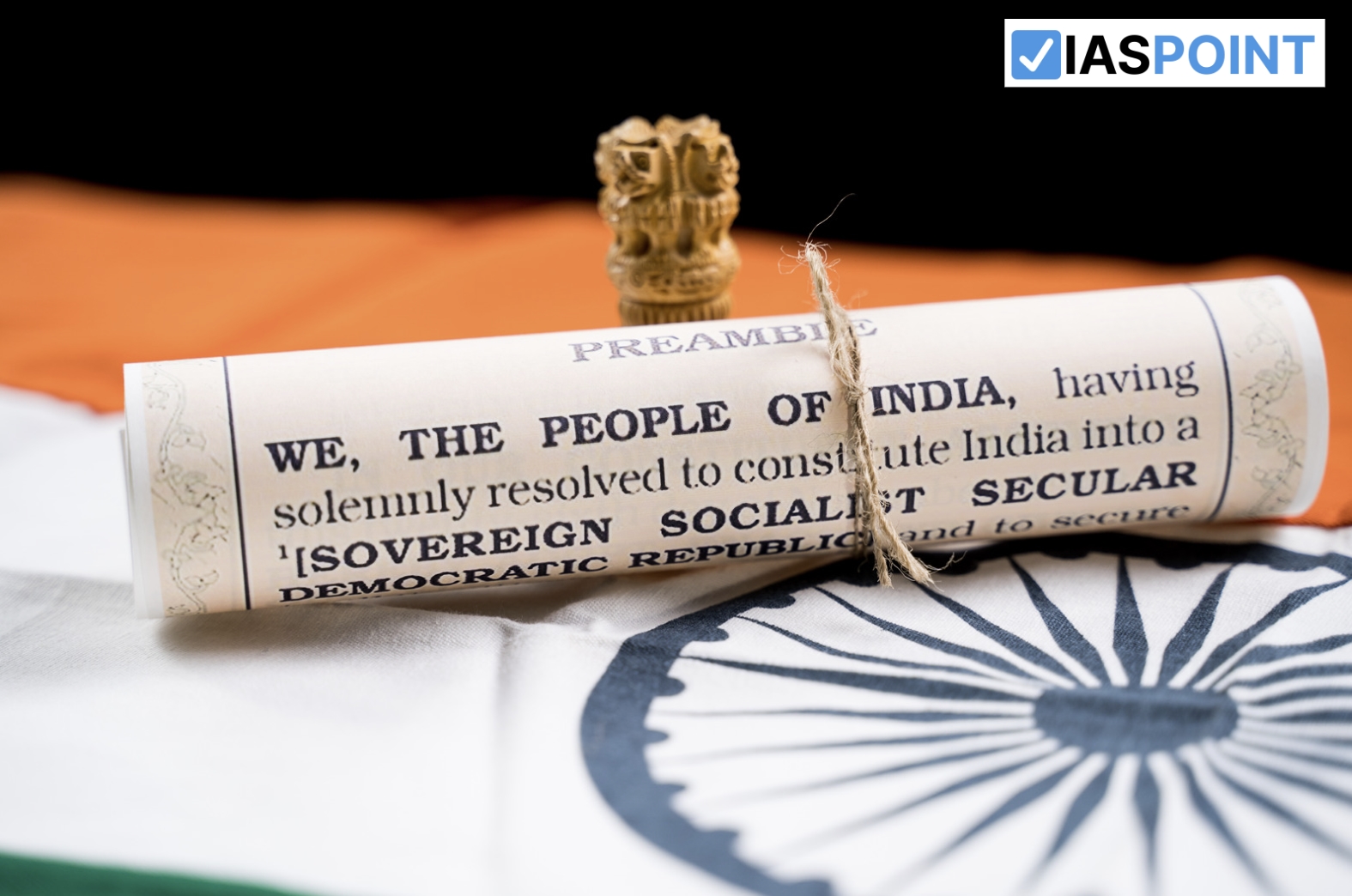

India is the largest democracy in the world. Elections play important role in its political framework. The integrity of elections is vital for true democracy. Electoral reforms aim to address issues that compromise the electoral process. The Election Commission of India (ECI) oversees these reforms to ensure fair practices.
Historical Context
The first three general elections in India were largely free and fair. However, concerns began to arise during the fourth general election in 1967. Many believe that political corruption has roots in the electoral system. Over the decades, various reforms have been introduced to address these challenges.
Key Issues in Electoral Politics
Several issues affect the electoral process in India:
- Money Power: Candidates often spend excessively on campaigns, exceeding legal limits.
- Muscle Power: Violence and intimidation during elections are reported in various regions.
- Criminalisation of Politics: Criminals often enter politics, using their influence to win elections.
- Misuse of Government Machinery: Ruling parties may exploit state resources for electoral gains.
- Non-serious Independent Candidates: Some candidates are fielded to siphon votes from serious contenders.
- Casteism: Voting along caste lines is prevalent, influencing candidate selection and party strategies.
- Communalism: Religious divisions can threaten the secular fabric of Indian politics.
- Lack of Moral Values: Many politicians prioritise personal gain over public service.
Electoral Reforms Before 2000
Several reforms were initiated before the year 2000:
- Lowering of Voting Age: The 61st Amendment reduced the voting age from 21 to 18 years.
- Deputation to Election Commission: Personnel involved in electoral rolls are supervised by the ECI.
- Increase in Proposers and Security Deposit: The number of proposers for nominations was raised to limit frivolous candidates.
- Introduction of EVMs: Electronic Voting Machines were first used in 1998, enhancing efficiency.
- Disqualification for National Honours Act Violations: Convictions lead to disqualification for six years.
- Restriction on Contesting from Multiple Constituencies: Candidates can only contest from two constituencies.
- Prohibition on Arms at Polling Booths: Carrying arms near polling stations is punishable by law.
- Prohibition on Liquor Sales: The sale of alcohol is banned within polling areas 48 hours before elections.
- Bye-elections Time Limit: Bye-elections must occur within six months of a vacancy.
- Reduced Campaigning Period: The time allowed for campaigning has been shortened.
Electoral Reforms After 2000
Post-2000 reforms have focused on improving electoral integrity:
- Ceiling on Election Expenditure: Limits on candidates’ spending have been established.
- Restriction on Exit Polls: Exit poll results can only be published after elections conclude.
- Postal Ballot Voting Expansion: More categories of voters can now use postal ballots.
- National Voters’ Day: January 25th is observed to promote voter awareness.
- Disclosure of Criminal Antecedents: Candidates must declare criminal backgrounds in affidavits.
Committees for Electoral Reforms
Various committees have been formed to recommend electoral reforms:
- Dinesh Goswami Committee (1990): Recommended limiting election expenses and introducing voter IDs.
- Tarkunde Committee (1975): Advocated for proportional representation and state funding of elections.
- Indrajit Gupta Committee (1998): Suggested state funding to level the electoral playing field.
- Second Administrative Reforms Commission (2008): Emphasised transparency in campaign financing.
- Vohra Committee (1993): Addressed the nexus between politics and organised crime.
- Justice Jeevan Reddy Committee (2002): Reviewed electoral trust schemes for political funding.
Recent Developments in Electoral Reforms
Recent reforms reflect the evolving electoral landscape:
- NOTA Option: The introduction of the “None of the Above” option allows voters to reject all candidates.
- VVPAT System: Voter Verifiable Paper Audit Trail enhances transparency in electronic voting.
- Electoral Bonds: Introduced to facilitate political funding with anonymity.
- Suvidha Portal: A single-window system for candidates to access electoral services.
- Aadhaar Linkage: Proposals to link Aadhaar with voter IDs aim to clean electoral rolls.
Challenges to Electoral Reforms
Despite reforms, challenges persist:
- Implementation Issues: Enforcing reforms consistently across diverse regions is difficult.
- Political Resistance: Political parties may resist changes that threaten their interests.
- Public Awareness: Voter education on new reforms is essential for effective implementation.
- Technological Barriers: Ensuring access to technology in rural areas remains a challenge.
The Role of the Election Commission
The ECI plays a very important role in overseeing elections:
- Supervision: It manages the entire electoral process, ensuring compliance with laws.
- Monitoring: The ECI monitors campaign financing and electoral conduct.
- Voter Education: Initiatives to educate voters about their rights and responsibilities are crucial.
- Technological Integration: The ECI continually adopts new technologies to streamline elections.
Future Directions for Electoral Reforms
Looking ahead, several areas require attention:
- Improving Voter Turnout: Strategies to engage younger voters and increase participation are needed.
- Combatting Misinformation: Addressing fake news and misinformation during elections is critical.
- Enhancing Transparency: Further measures to ensure transparency in political funding are necessary.
- Remote Voting Options: Exploring options for remote voting can aid accessibility for all voters.


