
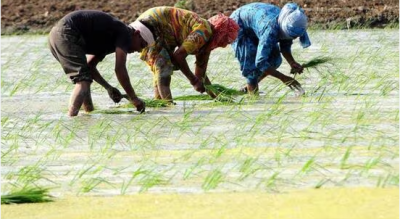
The Food and Agriculture Organization of the United Nations and the World Meteorological Organization released a joint report titled Extreme Heat and Agriculture on 22 April 2026, which is World Earth Day. The report covers heat stress in agriculture, rice production, and labour productivity in major farming regions of India.
Extreme Heat and Agriculture
Extreme heat is a climatic condition in which air temperature rises above the normal range for a region and season. In agriculture, heat stress affects crop growth, flowering, grain filling, livestock health, and outdoor labour productivity.
Rice and Indian Food Security
Rice is a staple crop in India and accounts for about 70% of caloric intake in the country. India is one of the largest rice producers in the world, and rice cultivation is concentrated in irrigated and rain-fed regions across the Indo-Gangetic plains and eastern India.
Heat Impact on Rice Physiology
High temperatures during rice reproduction can cause flower abortion, poor pollination, and reduced grain formation. Heat stress during grain filling can lower grain weight and reduce final yield. Rice is sensitive to temperature spikes during the flowering stage, especially when night temperatures remain high.
Risk Zones in India
The Ganges basin and the Indus basin are densely populated agricultural regions with large rice-growing areas. The Indo-Gangetic plains include Punjab, Haryana, Uttar Pradesh, Bihar, and parts of West Bengal, which are major contributors to cereal production.
Recent Heatwave Context
- March and April 2022 were among the warmest months recorded in India.
- Temperatures in those months were 8 to 10.8 degrees Celsius above normal in several areas.
- Rainfall was 60% to 99% below normal across 10 of 36 meteorological subdivisions.
- The 2022 heatwave affected crops, fruits, vegetables, livestock, and poultry in more than one-third of Indian states.
Labour Productivity and Adaptation
The report places agricultural labour productivity in parts of the Indo-Gangetic plains below 40% by the end of the century under a high-emission scenario. Heat-tolerant rice cultivars, altered sowing dates, and irrigation for canopy cooling are among the adaptation measures used in heat-prone farming systems.
Last Modified: April 24, 2026