
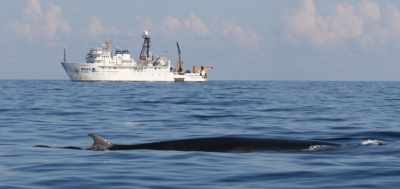
The Gulf of Mexico’s Rice’s whale, one of the world’s rarest whales, has become the focus of a major US energy and conservation dispute. The Trump administration sought to expand oil and gas drilling in waters where the species lives year-round, prompting fears that increased industrial activity could push the whale closer to extinction. A seldom-used federal committee granted an exemption from endangered species protections, citing national security concerns linked to higher energy prices.
Rice’s Whale in the Gulf of Mexico
Rice’s whale is the only whale species that lives permanently in the Gulf of Mexico. Scientists estimate that fewer than 100 remain. It was recognised as a distinct species in 2021. The whale is usually found in a narrow area in the north-eastern Gulf. It feeds by diving to the sea floor during the day and resting near the surface at night.
Threats from Expanded Drilling
Scientists warn that more drilling could increase several risks for the species.
- Vessel strikes may injure or kill whales.
- Underwater noise can disrupt feeding and movement.
- Oil spills can cause direct mortality and long-term habitat damage.
- Climate change may alter prey distribution and ocean conditions.
The species is already considered highly vulnerable because of its small population and limited range.
Wider Marine Impact
Environmental concerns extend beyond Rice’s whale. Other threatened and endangered species in the Gulf, including manatees, sea turtles, sperm whales, seabirds, and corals, may also face higher risks from drilling-related pollution and accidents. Scientists note that the 2010 Deepwater Horizon spill likely killed share of the already small Rice’s whale population.
Rare Use of Endangered Species Exemption
The Endangered Species Committee has granted such exemptions only twice before. One involved a dam project affecting whooping crane habitat, and the other concerned logging in northern spotted owl habitat before the request was withdrawn after legal challenge. The latest decision has renewed debate over the balance between energy security and biodiversity protection.
Last Modified: April 28, 2026