
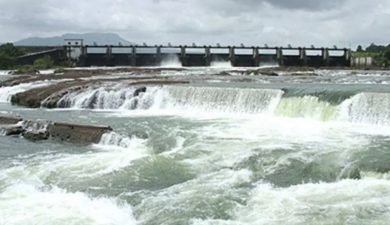
The Telangana irrigation department has realigned the proposed Pranahita-Chevella barrage on the Pranahita River to prevent the submergence of the Chaprala Wildlife Sanctuary. Located in the Gadchiroli district of Maharashtra near the Telangana border, the sanctuary sits at the ecologically sensitive confluence of the Wardha and Wainganga rivers. Maharashtra previously voiced strong objections over potential backwater flooding from the initial 150-meter barrage design. To resolve the dispute, Telangana engineers are modifying the Detailed Project Report (DPR) to safeguard both the protected wildlife sanctuary and Shivuni village in Maharashtra.
Transboundary Environmental Challenges
The Pranahita-Chevella barrage project highlights the delicate balance between interstate water infrastructure development and ecological preservation. Telangana and Maharashtra share a contiguous forest landscape where developmental projects directly impact cross-border wildlife habitats.
Submergence and State Objections
The primary dispute emerged when Maharashtra flagged safety risks concerning the backwaters of the barrage. The initial proposal threatened to flood low-lying border areas, including Shivuni village and critical wildlife habitats. Telangana has committed to structural realignments and financial compensation for any unavoidable regional flooding.
Corridor Fragmentation
The Pranahita River basin serves as a vital wildlife corridor. Tigers frequently migrate from the Tadoba Andhari Tiger Reserve in Maharashtra into the Kagaznagar forest division in Telangana. Unplanned reservoir construction risks severing these operational migratory pathways.
Chaprala Wildlife Sanctuary Profile
The Chaprala Wildlife Sanctuary is a critical biodiversity zone situated at the core of the infrastructure dispute.
Geographical Indicators
- Location: Gadchiroli district, Maharashtra.
- Areal Extent: 134.78 square kilometers.
- Topographic Boundaries: Flanked by the Markhanda and Pedigundam hills to the northeast and south.
- Hydrology: The Pranahita River defines its western boundary. The sanctuary experiences seasonal monsoon flooding, which creates a highly dynamic riparian ecosystem.
Flora and Fauna
The sanctuary features southern tropical dry deciduous forests interspersed with local grasslands.
- Key Flora: Teak, Arjun, Salai, Mahua, Bel, Dhawada, Tendu, Sissoo, and Semal.
- Key Fauna: Tiger, leopard, sloth bear, wild dog, blackbuck, sambar, spotted deer, and the rare striated grassbird (Megalurus palustris).
- Riparian Life: Prominent aquatic species include diverse populations of fish, prawns, and turtles thriving in the local Murgikunta, Raikonta, and Komatkunta tanks.
Hydro-Geographic Profile of Pranahita River
Understanding the river system is essential for analyzing irrigation and ecological impacts.
| Attribute | Details |
| Origin | Formed by the confluence of the Wardha and Wainganga rivers near Kouthala (Telangana) / Tumdi Hetty (Maharashtra). |
| Length | 113 kilometers. |
| Flow Direction | Southward (atypical for major Deccan Plateau rivers). |
| Basin Area | 109,078 square kilometers (constitutes 34% of the Godavari drainage basin). |
| Termination | Conflates with the Godavari River at Kaleshwaram, Telangana. |
Mitigation and Conservation Strategies
To address the ecological impacts of the barrage, state forest and irrigation departments have initiated targeted interventions.
Structural Realignment
Engineers are redesigning the Detailed Project Report (DPR) to lower the operational impact of the barrage. This structural adjustment ensures that the backwaters do not breach the geographical boundary of the Chaprala Wildlife Sanctuary or displace the residents of Shivuni village.
Habitat Reclamation
Forest officials have successfully reclaimed 1,000 acres of corridor land from non-tribal cultivation in the Kagaznagar forest division. This measure aims to restore degraded forest patches and ensure unhindered big cat movement between Maharashtra and Telangana.
IASPOINT Booster Facts for UPSC
- Pranahita River Status: It is the largest tributary of the Godavari River by volume, carrying the combined waters of the Penganga, Wardha, and Wainganga rivers.
- Striated Grassbird: Recently sighted at Chaprala Wildlife Sanctuary, marking a major range extension in Maharashtra. Its IUCN Red List status is Least Concern.
- Cultural Trivia: The Pranahita River is one of the 12 sacred rivers designated for the Pushkaram festival, which occurs when Jupiter enters the Pisces (Meena) zodiac sign.
- Dual Sanctuaries: The river supports two distinct sanctuaries bearing its name: the Pranahita Wildlife Sanctuary in Mancherial district (Telangana) and the Pranhita Wildlife Sanctuary in Gadchiroli district (Maharashtra).
- Indigenous Communities: The Gond tribal community resides within the Chaprala sanctuary ecosystem, practicing traditional forest coexistence models.