
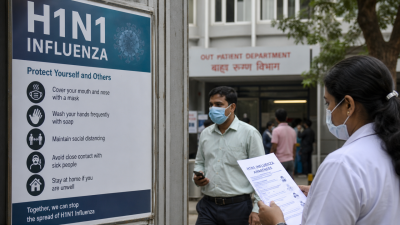
On 22 June 2026 a 41-year-old man from rural Karwar, Uttara Kannada, Karnataka, died of H1N1 at a private hospital in Mangaluru. Health authorities began surveillance of his close contacts.
Local incident and public-health action
- Case and response: Death reported 22 June 2026; contact tracing and surveillance initiated to detect secondary cases.
- Clinical guidance: Early symptom recognition and prompt medical consultation were advised by local public-health experts.
- Antiviral timing: Antiviral therapy is recommended ideally within 48–72 hours of symptom onset to lower risk of severe disease and complications.
- Vaccination: Seasonal influenza vaccination recommended for risk groups to reduce illness and severe outcomes.
International surveillance and recent outbreaks
- US H3N2v cases: CDC reported 18 H3N2 variant infections (Ohio, Michigan) linked mainly to state-fair pig exposure; 16 cases were children; 13 had direct pig contact.
- Lackland outbreak: Over 160 military personnel affected at Lackland Air Force Base; isolation and investigation underway after a trainee’s death on 16 June.
- WHO global data (week ending 7 June 2026): Influenza positivity below 10%; A(H1N1)pdm09 and A(H3N2) codominant in Eastern Africa; A and B codominant in Tropical South America.
- CDC US surveillance (Week 22): H1N1pdm09 comprised 26.7% of subtyped Influenza A positive specimens in public-health laboratories.
IASPOINT Booster Facts
- Virology: Influenza A(H1N1)pdm09 is the 2009 pandemic lineage; A(H3N2)v denotes a swine-origin H3N2 variant.
- Antivirals: Neuraminidase inhibitors (oseltamivir, zanamivir) are standard agents; IV formulations exist for severe cases.
- Surveillance: Human cases of variant influenza often follow zoonotic exposure at agricultural fairs and require One Health investigations.