
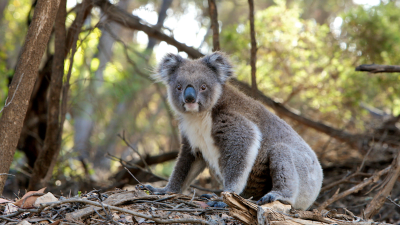
A landmark study by the University of Sydney has established a direct scientific link between rising ambient temperatures and increased veterinary hospitalisation and mortality rates in koalas. The research demonstrates that heat stress acts as a critical threat multiplier when combined with existing challenges like habitat fragmentation and infectious diseases. This climate-induced vulnerability is causing sharp population declines, particularly in the inland north-west regions of New South Wales, Australia. The findings highlight the critical need for immediate, targeted conservation strategies to safeguard tree-dwelling marsupials as global temperatures continue to climb.
Key Findings of the University of Sydney Study
Temperature Thresholds and Risk Multipliers
The study analyzed long-term veterinary data to quantify how specific temperature changes alter koala survival outcomes:
- The 27°C Benchmark: A consecutive seven-day maximum temperature exceeding 27°C marks the baseline where heat stress symptoms begin to manifest in wild populations.
- The 30°C Danger Zone: Koalas exposed to sustained temperatures above 30°C face a 1.5 to 3.5 times higher probability of hospital admission or death compared to those living in a baseline temperature of 25°C.
- Compounding Health Factors: High heat weakens the immune response of koalas, making them highly susceptible to chlamydiosis, a severe bacterial infection that causes blindness, infertility, and death.
Regional Hotspots and Population Declines
The geographic impact of heat stress is highly uneven across Australia:
- Inland Vulnerability: The inland north-west region of New South Wales is experiencing the most rapid population collapses due to frequent heatwaves and lack of coastal moisture.
- Habitat Loss Correlation: Land clearing forces koalas to travel on the ground to find new trees, exposing them to ground-level heat, vehicle strikes, and predator attacks.
Physiological and Ecological Vulnerabilities of Koalas
Unique Hydration Mechanisms
Koalas have highly specialized dietary and behavioral traits that limit their ability to adapt to rapid climate shifts:
| Factor | Physiological Mechanism | Impact of Heat Stress |
| Water Source | Obtain nearly all moisture from chewing eucalyptus leaves. | Heatwaves dry out leaves, reducing their water content below survival levels. |
| Thermoregulation | Hug tree trunks to transfer body heat to cooler bark. | During extreme heatwaves, tree temperatures equalize with ambient air, neutralizing this cooling mechanism. |
| Metabolic Output | Low metabolic rate to process toxic compounds in eucalyptus. | Energy depletion occurs rapidly when the animal tries to cool down via panting. |
Behavioral Modifications
To survive rising temperatures, koalas alter their natural behaviors, which ironically increases their external risks. They descend from the safety of the canopy to seek water at artificial ground stations or suburban swimming pools, heavily increasing their exposure to domestic dog attacks and road accidents.
Conservation Strategies and Mitigation Measures
Habitat Engineering and Microclimate Preservation
Conservationists are shifting focus toward creating climate-resilient landscapes:
- Thermal Refugia Selection: Identifying and legally protecting deep-forest pockets that naturally remain cooler than surrounding areas during heatwaves.
- Corridor Replantation: Planting specific heat-tolerant eucalyptus species along riverbanks to maintain moisture-rich food options.
- Artificial Hydration Infrastructure: Deploying tree-mounted water stations, known as “Blinky Drinkers,” to provide clean drinking water without forcing koalas onto the ground.
Veterinary and Policy Frameworks
State governments are integrating climate data into wildlife management policies. This includes developing early-warning weather systems for wildlife caretakers to prepare mobile triage units before a heatwave strikes, alongside implementing stricter regional land-clearing bans to maintain continuous canopy cover.
IASPOINT Booster Facts for UPSC
- Taxonomy and Status: The koala (Phascolarctos cinereus) is an arboreal herbivorous marsupial native to Australia. It is the only surviving member of the family Phascolarctidae.
- IUCN Red List Status: The koala is officially classified as Vulnerable globally on the IUCN Red List. However, the Australian government officially declared koala populations in Queensland, New South Wales, and the Australian Capital Territory as Endangered in 2022.
- Anatomical Trivia: Koalas are one of the few mammals besides primates that possess unique fingerprints, which are nearly indistinguishable from human fingerprints even under an electron microscope.
- Dietary Specialization: They subsist almost exclusively on eucalyptus leaves. While these leaves are toxic to most animals, the koala possesses a specialized organ called a caecum (up to 2 meters long) containing microbes that detoxify the chemicals.
- Marsupial Biology: As marsupials, female koalas give birth to underdeveloped young called joeys, which spend approximately six months developing inside the mother’s forward-facing pouch before emerging.