
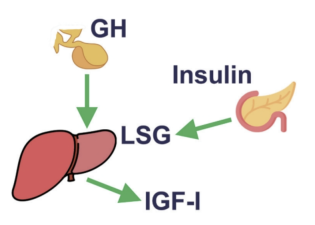
A newly identified cellular mechanism may open a path to treating lymphedema, a chronic condition marked by painful swelling caused by damage to the lymphatic system. The finding centres on insulin-like growth factor (IGF), which has been shown to promote the growth of lymphatic vessels in laboratory studies. Researchers first observed the effect in zebrafish and later confirmed that the same process works in human lymphatic cells grown in the lab.
What Lymphedema Is
Lymphedema develops when lymphatic vessels are damaged and fluid accumulates in body tissues. It may be congenital, follow injury, or arise after cancer treatment. It is especially common after breast-cancer surgery involving lymph node removal. The condition can cause long-term discomfort, swelling and reduced mobility. At present, there is no cure.
Role of IGF in Vessel Growth
The study found that IGF can accelerate lymphatic vessel growth. This is important because damaged lymphatic vessels are central to lymphedema. Until now, IGF was known mainly for broader growth-related functions, but its role in lymphatic repair was not established. The discovery suggests a new biological pathway that could be used to stimulate vessel regeneration.
Why Zebrafish Were Used
Zebrafish are widely used in biomedical research because they are simple, develop quickly and share important biological features with humans. Their transparent embryos allow scientists to label lymphatic vessels and observe growth in real time. This made it possible to track the effect of IGF on vessel formation with precision.
Next Steps and Medical Potential
The next stage is to test an IGF-based therapy in mice with lymphedema. If successful, the approach could support future treatment development for patients with this painful and currently incurable condition. The finding is still early-stage, but it provides a promising route for lymphatic repair research.
Last Modified: April 28, 2026