
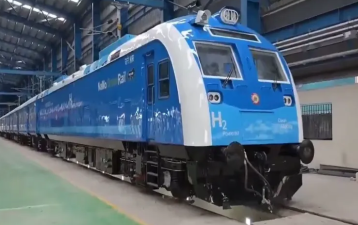
Indian Railways has approved the introduction of its first indigenous 10-car Hydrogen Fuel Cell-based trainset on the Jind-Sonipat section of Northern Railway in Haryana. This pilot project marks a shift toward green mobility in the Indian rail network by deploying a 1200 KW hydrogen fuel cell propulsion system capable of reaching speeds up to 75 kmph. By producing electricity through a chemical reaction that leaves water vapor as the only emission, the technology replaces standard fossil fuel-driven traction. This initiative places India among a select group of nations pursuing hydrogen-based rail solutions to support national net-zero carbon goals.
Technical Specifications and Propulsion System
Power and Speed Metrics
The newly sanctioned trainset features a 10-car configuration designed for short-distance passenger travel, specifically as a Diesel Electric Multiple Unit (DEMU) variant. The train runs on a 1200 KW hydrogen fuel cell propulsion system, which generates electricity directly to drive traction motors. It operates at a maximum designated speed of 75 kmph.
Working Mechanism of Fuel Cells
Unlike internal combustion engines that burn fuel, a hydrogen fuel cell generates electricity through an electrochemical reaction. Hydrogen gas from onboard storage tanks combines with ambient oxygen across an advanced catalytic membrane. This reaction produces electrical energy, heat, and pure water vapor, completely eliminating carbon dioxide, particulate matter, and sulfur oxides from the tailpipe emissions.
Infrastructure and Support Facilities
Localized Refueling Ecosystem
Indian Railways has set up an indigenous hydrogen storage and refueling facility at the Jind station yard. This base serves as the primary terminal for compressing, storing, and dispensing gaseous hydrogen into the trainset’s onboard tanks.
Regulatory and Safety Compliance
The storage and dispensing operations for compressed hydrogen gas at the Jind plant have received official licensing from the Petroleum and Explosives Safety Organisation (PESO). The facility includes a primary hydrogen compression system backed by a dedicated standby compressor unit to prevent operational downtime.
Safety Management and Operational Protocols
Integrated Monitoring Systems
To manage the high-pressure storage of hydrogen gas, the production and dispensing facility features active safety sensors. These include automated hydrogen leak detectors and flame detectors. Maintenance teams inspect and clean these units daily to eliminate dust accumulation and ensure functional accuracy.
Standardization and Oversight
The Research Designs and Standards Organisation (RDSO) has finalized and approved formal operation and maintenance manuals for both the trainset and the stationary hydrogen plant. The critical maintenance infrastructure is based at the Shakurbasti facility, operating under standard operating procedures and routine safety audits. For the initial phase of operations, certified technical experts will travel onboard the train to monitor real-time data and resolve technical glitches.
Comparative Framework: Green Hydrogen vs. Alternatives
The transition to hydrogen fuel cell trains addresses specific gaps where conventional grid electrification faces structural or financial barriers.
| Parameters | Hydrogen Fuel Cell Train | Battery Electric Train | Conventional Diesel DEMU |
| Primary Emission | Water Vapor | None (Zero tailpipe) | Carbon Dioxide, Particulate Matter |
| Refueling Time | 15 – 20 minutes | 2 – 4 hours (Charging) | 10 – 15 minutes |
| Operational Range | Moderate to High | Short (Battery limited) | High |
| Infrastructure Need | Station Refueling Plant | Charging Grids | Standard Diesel Fuel Depots |
| Ideal Route Profile | Non-electrified / Heritage lines | Short commuter lines | Heavy haul / Un-electrified lines |
IASPOINT Booster Facts for UPSC
- National Green Hydrogen Mission: Launched to make India a global hub for producing green hydrogen, targeting a production capacity of 5 million metric tonnes per annum by 2030.
- Global Precedents: Germany became the first country to launch a commercial fleet of hydrogen-powered passenger trains in 2022. Other nations testing this tech include Japan, China, and the United States.
- PESO Jurisdiction: The Petroleum and Explosives Safety Organisation functions under the Department for Promotion of Industry and Internal Trade (DPIIT), Ministry of Commerce and Industry.
- RDSO Status: The Research Designs and Standards Organisation is the specialized research and development wing of the Ministry of Railways, located in Lucknow.
- Net-Zero Target of Indian Railways: Indian Railways has set an internal corporate goal to become a net-zero carbon emitter by 2030 through 100% electrification and renewable energy sourcing.
- Type of Hydrogen: The environmental viability relies on the source of hydrogen. Green hydrogen is produced via water electrolysis using renewable energy, unlike Grey hydrogen (from natural gas) or Blue hydrogen (from fossil fuels with carbon capture).