
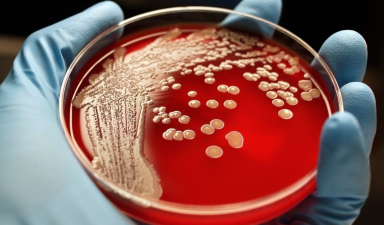
Scientists have discovered bacteriophages as promising alternatives to conventional antibiotics to treat multidrug-resistant (MDR) bacterial infections. Recent global research conducted between 2025 and 2026 has focused on isolating and developing specific phages capable of clear-cutting hospital-associated pathogens. These pathogens include Pseudomonas aeruginosa, Proteus mirabilis, and Acinetobacter baumannii, which cause severe conditions such as chronic urinary tract infections, burn wound sepsis, and cystic fibrosis complications. The clinical utility of phage therapy is expanding due to breakthroughs in genetic engineering, synthetic genomics, and targeted delivery systems designed to tackle the global threat of Antimicrobial Resistance (AMR).
Fundamentals of Bacteriophage Therapy
Mechanism of Action and Lytic Cycle
Bacteriophages, or phages, are highly specific viruses that infect, replicate within, and destroy bacterial cells without harming human tissue. The therapeutic use of phages depends exclusively on obligate lytic phages rather than lysogenic phages, as lysogenic variants pose risks by potentially transferring virulence genes or antibiotic resistance traits to host bacteria (Juiz, 2026). The lytic process follows a structured sequence:
- Adsorption: The phage identifies and binds to specific receptor structures on the bacterial surface, such as lipopolysaccharides, outer membrane porins, or type IV pili (Piracha, 2026).
- Penetration: The virus injects its genomic material directly into the bacterial cytoplasm.
- Biosynthesis and Assembly: The phage hijack’s the host metabolic machinery to synthesize viral proteins and replicate genomic sequences, assembly-line style.
- Lysis: Phage-encoded enzymes called endolysins degrade the bacterial peptidoglycan cell wall from within, causing osmotic rupture, cell destruction, and the release of progeny phages to sustain the therapeutic cycle.
Distinctions Between Phages and Antibiotics
Phages provide operational benefits over standard chemical antibiotics due to their biological nature and self-sustaining properties.
| Parameter | Chemical Antibiotics | Bacteriophage Therapy |
| Specificity | Broad-spectrum; often disrupts the host microbiome. | Highly strain-specific; preserves beneficial microbiota (Owokuhaisa, 2026). |
| Dosing Dynamics | Requires repeated systemic doses; concentrations decline over time. | Self-replicating “auto-dosing”; increases in density at the infection site (Nayab, 2026). |
| Biofilm Penetration | Struggles to cross the extracellular polymeric matrix. | Produces depolymerases that actively degrade the biofilm matrix (Piracha, 2026). |
| Development Cycle | Long, resource-intensive synthetic drug discovery pipeline. | Rapid isolation from environmental reservoirs like wastewater (Owokuhaisa, 2026). |
Recent Advancements and Pathogen Targeting (2025–2026)
Biofilm Disruption and Indian Scientific Research
Bacterial pathogens frequently organize into complex, sessile communities known as biofilms, which shield dormant bacteria and increase antibiotic resistance by up to 1,000-fold. Phages overcome this physical barrier by using tail-associated depolymerase enzymes to dissolve the extracellular polymeric substances (EPS) stabilizing the biofilm matrix (Piracha, 2026). Once the matrix collapses, the phages gain access to the embedded bacterial subpopulations. Indian scientists have made progress by isolating and characterizing a novel environmental lytic phage that targets Proteus mirabilis. This Gram-negative bacterium is a prominent cause of catheter-associated urinary tract infections (CAUTIs) and severe tissue infections due to its intense swarming motility and robust biofilm creation. By eliminating these dormant reservoirs, phage therapy prevents recurrent, persistent infections that fail standard line-of-treatment antibiotic protocols.
Targeted Pathogens and Clinical Outcomes
Clinical investigations and animal models have validated the efficacy of phage treatments across diverse pathological indications:
- Pseudomonas aeruginosa: Phage cocktails designed with receptor orthogonality force evolutionary trade-offs in the bacteria (Piracha, 2026). For example, if the bacteria mutate to evade the phage, they often lose key virulence factors or downregulate efflux pumps, which restores their vulnerability to previously ineffective antibiotics.
- Proteus mirabilis: Applied research shows that removing P. mirabilis via tailored phages restores protective mucus barriers and curbs enteric inflammation in gastrointestinal model systems (Jiang, 2025).
- Acinetobacter baumannii: Phage treatments have successfully cleared critical-threat, extensively drug-resistant (XDR) A. baumannii strains from deep burn wounds in animal models.
Genetic and Phage Engineering
Scientists are using synthetic biology tools, such as CRISPR-Cas genome editing, to reprogram phage DNA. These modifications prevent the transfer of undesirable toxins, broaden the host range to target multiple bacterial strains simultaneously, and reduce the risk of host immune recognition during systemic administration.
Implementation Challenges and Global Regulatory Frameworks
Biological and Manufacturing Bottlenecks
Despite high clinical efficacy, several practical constraints limit widespread translation:
- Immune Neutralization: The human immune system can recognize therapeutic phages as foreign proteins, producing neutralizing antibodies that clear the viruses before they reach the target pathogens (Sandhu, 2026).
- Resistance Evolution: Bacteria modify their surface receptors to develop resistance against phages, requiring the use of multi-phage cocktails to minimize single-receptor escape routes (Piracha, 2026).
- Endotoxin Purification: Production lines must thoroughly remove bacterial endotoxins (such as lipopolysaccharides) released during host cell lysis to avoid triggering severe inflammatory responses or toxic shock in patients.
Regulatory Landscapes
The unique nature of phages as living, evolving therapies complicates standard pharmaceutical regulatory frameworks. Globally, regulatory bodies like the US Food and Drug Administration (FDA) utilize expanded-access, compassionate-use programs to approve customized phage formulations on an individual patient basis (Green et al., 2023). Regulatory bodies in other jurisdictions, including Japan’s Pharmaceuticals and Medical Devices Agency (PMDA), are actively updating clinical evaluation protocols to account for the unique dosing dynamics, delivery routes, and self-proliferating traits of phages (Fukaya-Shiba, 2025).
IASPOINT Booster Facts for UPSC
- Felix d’Herelle and Twort: British bacteriologist Frederick Twort discovered phages in 1915, and French-Canadian microbiologist Felix d’Herelle coined the term “bacteriophage” (meaning bacteria-eater) in 1917, pioneering early therapeutic applications.
- Phage-Antibiotic Synergy (PAS): Sub-lethal concentrations of specific antibiotics (like beta-lactams) can cause bacterial cell elongation, which unexpectedly increases phage adsorption and replication efficiency, boosting treatment outcomes when used together (Piracha, 2026).
- The Eliava Institute: Located in Tbilisi, Georgia, this historical institute has remained a global hub for phage research and therapy since 1923, maintaining large library collections of phages when the Western world shifted focus entirely to chemical antibiotics.
- One Health Integration: The control of pathogens like Proteus mirabilis using phage alternatives aligns with the One Health framework, as these bacteria circulate constantly across interconnected human, livestock, and agricultural wastewater environments (Hasona, 2025).
- Multiplicity of Infection (MOI): MOI is a crucial metric in phage dosing that refers to the ratio of viral particles to target bacterial cells at the site of infection; optimizing this ratio is key to maximizing rapid bacterial clearance while preventing premature immune system intervention (Sandhu, 2026).