
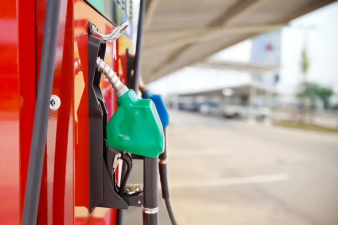
The government plans a mandatory blend of isobutanol with diesel by end-2026 following E20 rollout and failed ethanol‑diesel trials; initial blends are likely in the 5–10% range to cut crude import dependence given diesel use is nearly double that of petrol.
What is Isobutanol?
- Chemistry: Four‑carbon alcohol with closer chemical affinity to diesel than ethanol, enabling uniform miscibility with diesel.
- Fuel properties: Higher energy density than ethanol; lower corrosivity and volatility; higher flash point than ethanol.
- Classification: When produced from lignocellulosic biomass or agricultural residues it is a Second‑Generation (2G) biofuel; from sugarcane/molasses it is First‑Generation (1G).
Mandate Design and Technical Testing
- Target timeline: Rollout by end‑2026 with conservative initial blends of 5–10% for compatibility with modern diesel engines.
- Trials: September 2025 ethanol‑diesel trials failed due to phase separation and ignition issues; Automotive Research Association of India (ARAI) is conducting an 18‑month optimisation pilot for blend ratios, cold‑start performance and Bharat Stage VI compliance.
- Long‑term technical path: Development of flex‑fuel engines capable of up to 100% isobutanol and metallurgy upgrades for sustained use.
Supply, Market and Policy Measures
- Production challenge: Industrial fermentation capacity for isobutanol is not at diesel‑scale; feedstock needs include sugarcane, molasses and non‑food biomass.
- Cost gap: Current isobutanol prices exceed pre‑tax fossil diesel; policy options include direct procurement guarantees and administered pricing akin to the Ethanol Blended Petrol programme.
- Supply linkage: Existing ethanol supply chains may be leveraged to scale feedstock logistics for isobutanol.
IASPOINT Booster Facts
- Energy security metric: India imports over 85% of its crude oil requirements.
- Regulatory bodies: Ministry of Road Transport and Highways oversees blending policy; ARAI leads technical validation; oil PSUs lead industrial research and procurement.
- Emission standard: Blends must meet Bharat Stage VI emission norms and relevant fuel specification updates by BIS.