
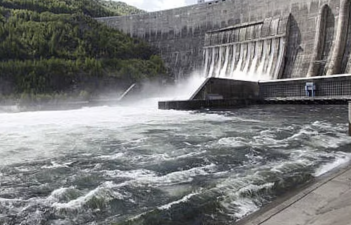
The Union Environment Ministry’s expert panel has recommended environmental clearance for the 1,200-MW Kalai-II hydroelectric project on the Lohit river in Arunachal Pradesh’s Anjaw district. The proposal has drawn concern from environmentalists and local project-affected persons over the possible impact on the critically endangered white-bellied heron, a Schedule I species under the Wildlife Protection Act and a globally threatened bird listed as Critically Endangered by the IUCN.
Project Profile
The Kalai-II project is planned by THDC India Ltd at an estimated cost of Rs 14,176.26 crore. It is proposed near Hawai village in Anjaw district on the Lohit, a tributary of the Brahmaputra. The project will include:
- A 128.5-metre concrete gravity dam.
- An underground powerhouse.
- A pondage-based hydropower design.
Concerns Over White-Bellied Heron
Critics have pointed out that the environmental impact assessment report did not mention the white-bellied heron, despite records of the species in the Lohit river basin. The bird is known to inhabit free-flowing river stretches with low disturbance and depends largely on fish in rapids. Independent researchers and forest records have noted its presence upstream and downstream of the project area, including in Kamlang Tiger Reserve and Walong.
Questions On EIA Adequacy
The EIA report, prepared by WAPCOS Ltd, recorded 28 bird species from 19 families in the study area, but omitted the heron. Kamlang Tiger Reserve was also described only as a sanctuary in the report. Conservationists argued that this was a serious gap because the species is rare, highly sensitive to river disturbance, and already under pressure from habitat loss, hunting, and human activity.
Broader Conservation Context
The issue is because the Environment Ministry’s own expert committee had earlier sought a detailed conservation plan for the white-bellied heron while clearing the Lower Demwe project on the same river. Experts estimate that fewer than 250 birds survive in the wild, with some assessments suggesting far fewer. The Lohit basin, especially in Arunachal Pradesh, remains one of the key remaining habitats for the species.
Last Modified: April 25, 2026