
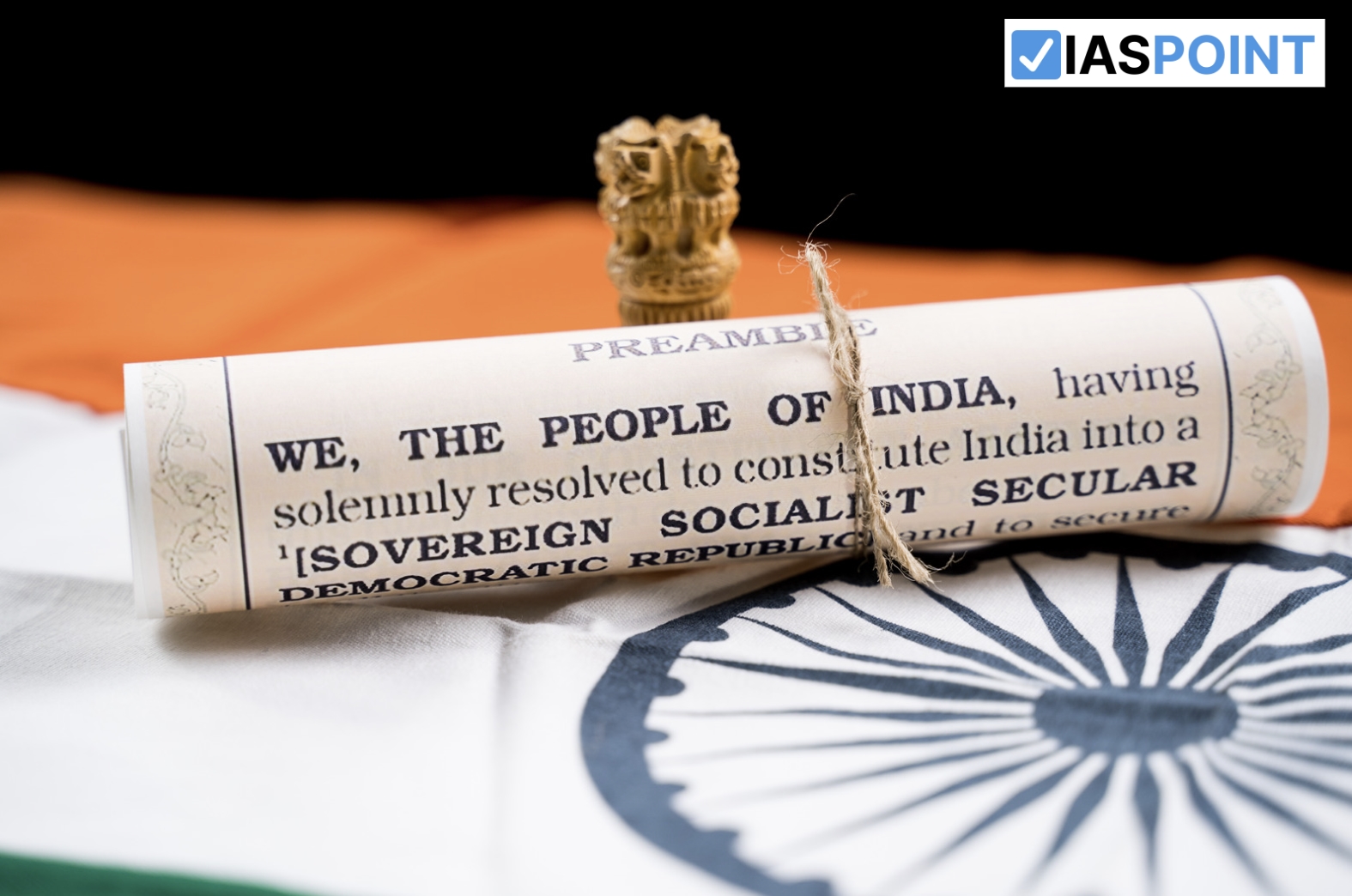

National integration is the process of uniting diverse communities within a country. It encourages unity and belonging among individuals from various backgrounds. The aim is to promote harmony, understanding, and cooperation among people of different regions, religions, languages, and cultures. A cohesive nation ensures equal rights and opportunities for all citizens.
Aims of National Integration
The primary aim of national integration is to cultivate a sense of oneness among diverse communities. Key objectives include:
- Promoting mutual respect and understanding.
- Eliminating discrimination based on ethnicity or religion.
- Building a cohesive and harmonious society.
- Encouraging active participation in national progress.
Factors Affecting National Integration
Several factors impact national integration, including:
Constitutional Provisions
The Constitution of India promotes national integration through principles like socialism, secularism, and democracy. Fundamental duties encourage citizens to encourage unity and respect for diversity. The Directive Principles of State Policy aim for equitable development and social justice.
Government Initiatives
The National Integration Council addresses issues related to integration. It recommends measures to enhance harmony. Initiatives by the Planning Commission promote economic development across the nation.
National Festivals and Symbols
National festivals unify citizens by transcending cultural barriers. Celebrations like Independence Day and Republic Day are observed nationwide. National symbols, such as the flag and anthem, reinforce a shared identity.
Unified Judicial System
A unified judicial system and all-India services promote integrity. These systems ensure that policies and decisions are consistent across the nation, encouraging a sense of unity.
Role of Education in National Integration
Education is very important in shaping perspectives. It encourages students to think beyond local identities. Prominent universities attract diverse students, encouraging a pan-Indian mindset. The NCERT syllabus plays important role in instilling national identity. However, access to higher education remains low, with efforts underway to improve enrollment rates.
Role of Media in National Integration
The media has been instrumental in promoting a unified India. It has evolved from print to digital platforms, enhancing freedom of expression. The press marks issues of national importance, encouraging a collective identity. Institutions like All India Radio and Doordarshan contribute to this integration.
Role of Cinema in National Integration
Cinema has historically promoted nationalism and unity. Films from the 1960s and 70s conveyed messages of brotherhood. They transcended cultural and regional barriers, shaping the idea of a secular India. Sports, particularly cricket, unite citizens across diverse backgrounds.
Role of Literature in National Integration
Literature has played role in encouraging national identity. Works by authors like Rabindranath Tagore and Prem Chand inspired unity during the freedom struggle. Their contributions continue to resonate, promoting a sense of belonging among diverse communities.
Role of the Middle Class in National Integration
The middle class bridges gaps between various societal sections. They promote values of tolerance and inclusivity. Their participation in social and cultural activities strengthens national integration. Middle-class mobility encourages a sense of belonging to a larger national identity.
Role of Intellectuals in National Integration
Intellectuals shape public discourse on national integration. They advocate for inclusive policies and highlight social injustices. Their efforts encourage awareness and understanding of diversity, contributing to a cohesive society.
Role of the Working Class in National Integration
The working class, including labourers and farmers, plays a vital role in economic development. Their collective struggles promote social cohesion. Active participation in democratic processes strengthens national integration.
Importance of National Integration
National integration is crucial for maintaining stability in a diverse nation like India. It promotes:
- A sense of belonging among citizens.
- Social justice and inclusivity.
- National security against external threats.
- Cooperation for economic development.
Challenges to National Integration
India’s diversity can present challenges to integration. Key challenges include:
- Divisive ideologies based on religion or caste.
- Strong regional identities leading to separatism.
- Socio-economic inequalities creating divisions.
- Language-related tensions in multilingual regions.
- Identity-based politics encouraging divisions.
National Integration Day
National Integration Day, celebrated on 31st October, commemorates Sardar Vallabhbhai Patel’s contributions to integrating princely states. The day promotes unity and reflects on the importance of national integration.
About the National Integration Council
Established in 1962, the National Integration Council addresses communalism, casteism, and regionalism. It formulates solutions to promote national integration. The council plays important role in assessing matters related to unity and diversity.


