
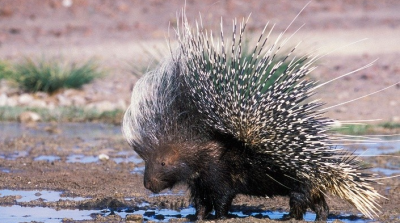
Pampore in Pulwama district, the main saffron-growing belt of Kashmir, is facing a severe crop threat from the Indian crested porcupine. The nocturnal rodent is burrowing underground and feeding on saffron corms, damaging the crop before flowers can emerge. Farmers in the saffron highlands near Srinagar have reported heavy losses, with some fields suffering up to 80% damage. The issue has raised concern over the future of Kashmir’s prized saffron, known for its economic and cultural value.
Saffron Belt Under Pressure
Pampore and nearby Khrew are central to saffron cultivation in Jammu and Kashmir. The crop grows from corms, which are underground stems of Crocus sativus. These corms produce the autumn flowers from which saffron threads are harvested. Farmers say the damage has sharply reduced output in recent years. Production, once around 22,000 kg, has reportedly fallen to nearly 1,000 kg.
Cause of the Rodent Surge
Officials and wildlife experts link the rise in porcupine attacks to ecological changes. Key factors include:
- Deforestation, which has reduced natural habitats.
- Declining predator populations, especially leopards.
- Warmer winters, which extend the rodents’ foraging period.
The porcupine is a protected species under wildlife law, so it cannot be killed. This has made the conflict harder to manage.
Government Response and Farmer Concerns
The issue was raised in the Jammu and Kashmir Assembly, prompting the forest department to outline protective steps. These include clearing rodent shelters, using buried mesh barriers, applying organic repellents, and placing deterrents near dens. However, farmers say such measures are costly and difficult to implement without state support. They warn that continued losses could force many to abandon saffron cultivation altogether.
Last Modified: April 28, 2026