
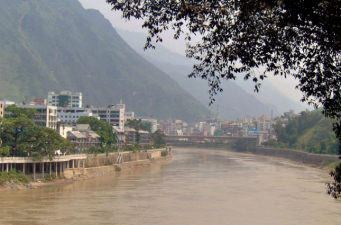
The Salween River, Asia’s longest free-flowing river, is facing a serious pollution threat after tests detected elevated arsenic levels in its waters. Flowing from Tibet through China and Myanmar, and along the Thailand border before entering the Andaman Sea, the river is ecologically and supports ethnic communities, fisheries, and biodiversity across the basin.
Salween River Importance
The Salween stretches about 3,300 kilometres and remains one of the world’s major undammed rivers. It sustains forest ecosystems, riverine habitats, and local livelihoods. Communities such as the Karen and Karenni depend on it for fishing, transport, and water security. Its undammed status has long made it a symbol of ecological resilience in mainland South-East Asia.
Arsenic Levels Detected
Independent testing in the river basin found arsenic concentrations above safe limits at multiple monitoring points. In some locations, levels were several times higher than the World Health Organisation’s drinking water guideline of 0.01 mg/L. Reports also indicated especially high contamination in tributaries feeding the main river, raising concern over wider basin pollution.
Likely Sources of Pollution
Unregulated mining in Myanmar, particularly in Shan State, is considered a major source of contamination. Satellite-based assessments have identified numerous suspected mining sites in the Salween basin in recent years. Some operations are linked to rare earth extraction and gold mining. Such activities can release toxic metals into rivers, especially where environmental oversight is weak.
Regional and Environmental Concerns
The contamination has triggered warnings from local communities and regional observers. Fishers in affected areas are avoiding direct contact with the river. Similar pollution has also been observed in nearby river systems, suggesting a broader transboundary environmental challenge. The issue marks the need for stronger monitoring, mining regulation, and cross-border cooperation to protect river ecosystems and public health.
Last Modified: April 27, 2026