
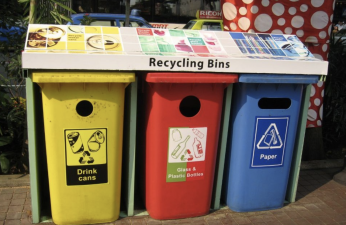
The Union Ministry of Environment, Forest and Climate Change has notified the Solid Waste Management Rules, 2026, replacing the 2016 framework. The rules will come into full effect from 1 April 2026. They strengthen waste segregation, introduce stricter accountability for waste generators, and place greater emphasis on circular economy, extended producer responsibility and the polluter pays principle.
Key legal framework
The rules have been issued under the Environment (Protection) Act, 1986. They provide for environmental compensation in cases of non-compliance, including operating without registration, false reporting, forged documents and improper waste management. The Central Pollution Control Board will issue guidelines, while State Pollution Control Boards and Pollution Control Committees will levy compensation.
Four-stream segregation at source
Four-stream segregation of solid waste at source has been made mandatory. Waste must be separated into:
- Wet waste, such as kitchen waste and fruit peels, for composting or bio-methanation.
- Dry waste, such as plastic, paper, metal, glass and rubber, for sorting and recycling at Material Recovery Facilities.
- Sanitary waste, such as diapers and sanitary towels, to be securely wrapped and stored separately.
- Special care waste, such as bulbs, mercury thermometers and medicines, to be collected by authorised agencies or at designated centres.
Bulk waste and processing systems
Bulk Waste Generators are defined by floor area, water use or daily waste generation. They include government bodies, public sector units, institutions, commercial establishments and housing societies. They must ensure environmentally sound collection, transport and processing of waste. The rules also introduce Extended Bulk Waste Generator Responsibility, requiring on-site wet waste processing where possible. User fees may be levied by local bodies.
Monitoring, landfills and special areas
The rules create a centralised online portal for tracking waste generation, collection, transport, processing, disposal and legacy waste remediation. All registrations, authorisations and audit reports will be handled online. Landfilling is restricted to non-recyclable and inert waste, while higher fees are prescribed for unsegregated waste. Special provisions apply to hilly areas and islands, including tourist user fees, decentralised wet waste processing and designated collection points.
Last Modified: April 27, 2026