
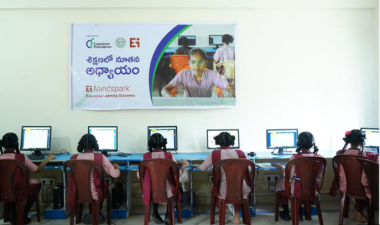
Telangana has launched a major statewide initiative to introduce artificial intelligence literacy in government schools. The programme aims to reach nearly two million students and is being implemented through a partnership with Amazon Future Engineer and the Pi Jam Foundation. As part of the rollout, 2,000 laptops were distributed to Kasturba Gandhi Balika Vidyalayas and other state-run institutions to reduce the digital divide and support hands-on learning.
AI Curriculum for School Students
From the 2025-26 academic year, students of Classes 5 to 9 will study a structured digital learning curriculum prepared by SCERT Telangana. The syllabus goes beyond basic computer use. It focuses on computational thinking, design principles, and digital citizenship. The aim is to build early familiarity with emerging technologies and responsible digital behaviour.
Digital Platform for Practical Learning
To support classroom learning, the state has launched a dedicated platform, telangana.codemitra.org. The platform allows students to work with data and decision-making systems in an interactive manner. It is designed to encourage practical application of concepts and help students understand how AI-based systems function in real life.
Teacher Training and Scale of Implementation
The programme is backed by a large teacher capacity-building effort. More than 28,000 teachers have already been trained to deliver around 25 hours of AI instruction annually. This training is intended to ensure that schools can implement the curriculum effectively across the state. Officials have brought into light that the model is designed to make students creators of technology, not only users.
Significance for India’s AI Education Roadmap
The initiative is being seen as a scalable model for equitable and future-ready education. It aligns with India’s broader push to prepare students for an AI-driven economy. With a national AI rollout expected in 2027, Telangana’s approach may serve as a reference for other states seeking to integrate AI literacy into school education.
Last Modified: April 27, 2026