
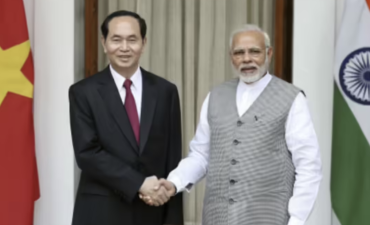
India and Vietnam held a high-level bilateral meeting in New Delhi to advance cooperation on tribal and ethnic development. The talks were co-chaired by India’s Union Minister for Tribal Affairs, Jual Oram, and Vietnam’s Minister of Ethnic and Religious Affairs, Dao Ngoc Dung. The meeting built on earlier official-level discussions and aimed to institutionalise collaboration between the two ministries.
Leadership-Level Engagement
The meeting marked an elevation of bilateral engagement from senior officials to ministerial level. Both sides exchanged commemorative mementos at the start of the talks as a gesture of goodwill. The discussions reflected the growing importance of people-centric cooperation within the India-Vietnam Comprehensive Strategic Partnership.
Key Areas of Cooperation
The two sides discussed practical areas of collaboration for tribal and ethnic communities. These included:
- Livelihood promotion and income generation.
- Value addition to forest-based products.
- Sustainable agriculture and rural development.
- Skill development and capacity building.
- Research partnerships and cultural documentation.
Vietnam brought into light its focus on inclusive growth for its 54 ethnic groups through better infrastructure, education, healthcare, livelihoods, and cultural preservation.
Cultural and Strategic Context
India underlined Vietnam’s importance under the Act East Policy and the Indo-Pacific vision. The meeting also noted the strong civilisational links between the two countries, including shared Buddhist traditions. The recent exposition of the Sacred Relics of Lord Buddha from Sarnath in Vietnam received a strong public response, reflecting deep cultural connect.
Memorandum of Cooperation
Both sides reviewed a draft Memorandum of Cooperation to formalise institutional collaboration. Vietnam said the draft had been approved and expressed hope for early finalisation. An invitation was extended to the Indian minister to visit Vietnam for the formal signing of the agreement. The meeting ended with both sides expressing confidence that closer cooperation will support inclusive and sustainable development for tribal and ethnic communities.
Last Modified: April 29, 2026