
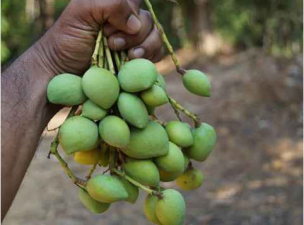
Appemidi mango, a distinctive raw mango from Karnataka that received a geographical indication tag in 2009, is facing growing stress from climate change. Conservationists say the survival of its many local varieties depends on protecting the natural landscape of the Aghanashini valley in Uttara Kannada district.
What is Appemidi Mango?
Appemidi is a traditional raw mango valued for its unique aroma, taste and use in local cuisine. It is closely linked to the cultural identity of the region. The GI tag recognised its heritage value and distinctiveness. Experts say it is not a single commercial variety but a collection of locally adapted trees and accessions.
Climate Stress in Aghanashini Valley
A recent 30-km padayatra by conservationists and activists covered the belt from Sarakuli village in Siddapur taluk to Unchalli Falls in Sirsi taluk. Observations showed reduced fruiting in several trees. Farmers linked the decline to weather extremes, including irregular rainfall and rising temperatures. Experts noted that the valley’s soil, microclimate and natural ecology are crucial for the trees’ survival.
Why In-situ Conservation Matters
Specialists argue that in-situ conservation, or protection in the natural habitat, is more effective than only ex-situ methods such as grafting or plantation elsewhere. They say commercial cultivation cannot preserve all distinct appemidi types. Studies have documented 33 accessions, and some are already under threat. The loss of the famed Ananta Bhattana Appe variety has strengthened concerns about genetic erosion.
Conservation and Policy Concerns
Conservationists are seeking wider protection for the growing areas, including biodiversity heritage site status. They say safeguarding appemidi requires protecting the entire landscape, not just individual trees. The issue marks the impact of climate change on agro-biodiversity, traditional crops and community-based conservation in India.
Last Modified: April 28, 2026