
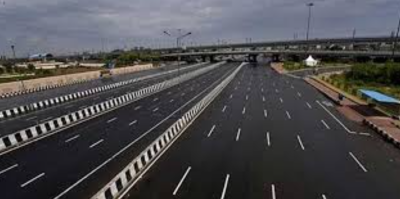
India’s National Highway (NH) network has expanded significantly from 91,287 km in 2014 to 1,46,572 km by 2026. The Bharatmala Pariyojana serves as the flagship umbrella program, shifting India from a project-based approach to an integrated, corridor-based strategy to bolster national logistics and connectivity.
Bharatmala Pariyojana: Strategic Components
- Corridor-Based Strategy: Focuses on developing 34,800 km of infrastructure, including 9,000 km of economic corridors and 2,000 km of border/international roads.
- Hub-and-Spoke Logistics: Utilizes Multi-Modal Logistics Parks (MMLPs) to optimize freight movement, reducing fuel consumption and supply chain vulnerabilities.
- Landmark Projects:
- Delhi–Mumbai Expressway: A 1,386 km greenfield project connecting major industrial states; incorporates utility corridors for clean energy and digital infrastructure.
- Delhi–Dehradun Corridor: Features a 12-km elevated wildlife corridor to ensure safe migration across Rajaji National Park.
- Regional Expressways: Key corridors like Dwarka, Delhi–Meerut, and Bengaluru–Mysuru are designed to separate local traffic from high-speed transit to reduce congestion.
IASPOINT Booster Facts
- Progress Status: As of March 2026, 26,425 km of contracts have been awarded, with 22,590 km of highway construction completed.
- Economic Goals: Aims to connect 550 district headquarters with four-lane highways and shift 80% of road freight to the NH network.
- Network Scale: India holds the second-largest road network globally (6.62 million km), trailing only the United States.
- Financing: The National Highways Infra Trust (NHIT) successfully utilized Infrastructure Investment Trusts (InvIT) to monetize assets, raising ₹16,000 crore.