
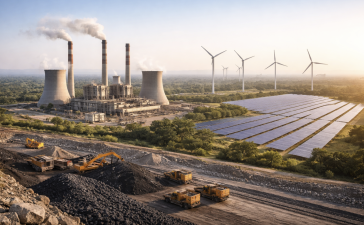
India faces a severe energy security crisis due to ongoing conflicts in the Middle East disrupting oil and gas supplies. The war near the Strait of Hormuz, a critical global oil transit point, has sharply increased crude oil prices from $65 to $109 per barrel since early 2026. This has pushed up domestic fuel costs and exposed India’s heavy dependence on imported fossil fuels. The situation demands urgent measures to reduce vulnerability and enhance energy independence.
India’s Energy Import Dependence
India imports over 85% of its crude oil and 40% of its natural gas. It is the world’s third-largest crude oil importer. Nearly 40% of its oil travels through the Strait of Hormuz, which is now effectively closed due to conflict. Gas supplies from Qatar, constituting 40% of India’s LNG imports, have been disrupted. This has caused price hikes in LPG cylinders and industrial production setbacks. The country spends over $100 billion annually on oil and gas imports, making up 25–30% of total imports.
Energy Transition as a Strategic Solution
India’s energy transition aims to reduce fossil fuel use and achieve net zero emissions. Increasing electricity use in transport and cooking can reduce oil and gas dependence. Domestic coal still fuels most electricity generation, but solar and wind power are rapidly growing. Private investment is boosting renewable capacity and stabilising prices. Electrification of commercial vehicles, especially electric buses, is gaining momentum. Mandating electric commercial vehicles in regions like the National Capital Region could drastically cut oil imports.
Electrification of Cooking and Industry
Switching to electric induction stoves can reduce LPG dependence. Electricity costs for cooking are lower and more efficient. Many states offer subsidised or free electricity for low-income households. The Prime Minister’s rooftop solar programme supports free electricity generation. Promoting electric cooking and industrial use can eliminate import vulnerabilities in essential energy sectors.
Domestic Manufacturing for Energy Independence
Reliance on imported renewable energy equipment remains a challenge. India aims to manufacture solar panels and batteries domestically with full value addition. Government incentives like Production Linked Incentives (PLI) and long-term procurement contracts are planned to boost local production. This industrial transition is key to securing a green economy and reducing import dependence in the long term.
Topics for Prelims:
Strait of Hormuz
- Major global oil transit chokepoint.
- About 20% of world oil passes through it.
- Closure disrupts global oil supply and prices.
- Strategic vulnerability for oil-importing nations.
- Located between the Persian Gulf and Gulf of Oman.
India’s Energy Import Dependence
- Imports 85%+ of crude oil needs.
- 40% of natural gas imported, largely LNG.
- Annual oil and gas import cost exceeds $100 billion.
- 25–30% of total imports by value.
- Major suppliers include Middle East and Qatar.
Energy Transition and Electrification
- Goal to reduce fossil fuel use and emissions.
- Increasing share of renewables in power generation.
- Electric vehicles reduce oil dependence.
- Electric cooking via induction stoves promoted.
- Domestic manufacturing of solar and batteries encouraged.
Questions for Mains:
- Critically discuss the impact of India’s oil import dependence on its economic security and foreign policy. [GS-III-Economic Development]
- Examine the strategic importance of the Strait of Hormuz and its implications for global energy security. [GS-II-International Relations]
- Analyse India’s energy transition strategy and its role in achieving energy security and climate goals. What challenges does India face in this transition? [GS-III-Environment & DM]
- Estimate the benefits and challenges of promoting electric mobility and electrification of cooking in India’s urban and rural sectors. How can policy interventions accelerate these changes? [GS-III-Economic Development]
Answer Hints:
1. Critically discuss the impact of India’s oil import dependence on its economic security and foreign policy. [GS-III-Economic Development]
- India imports over 85% of its crude oil and 40% of natural gas, making it highly vulnerable to external supply shocks.
- Oil import bills exceed $100 billion annually, constituting 25–30% of total imports, adversely affecting the trade deficit and fiscal stability.
- Price volatility in global oil markets leads to inflationary pressures, increasing costs for consumers and industry.
- Dependence on politically unstable regions (e.g., Middle East, Strait of Hormuz) constrains India’s foreign policy autonomy.
- Energy insecurity compels India to maintain strategic diplomatic and military relations, sometimes limiting its geopolitical choices.
- Disruption in supply chains (e.g., Qatar LNG shutdown) affects industrial output and economic growth.
2. Examine the strategic importance of the Strait of Hormuz and its implications for global energy security. [GS-II-International Relations]
- Strait of Hormuz is a narrow maritime chokepoint connecting the Persian Gulf to the Gulf of Oman and Arabian Sea.
- Approximately 20% of global oil trade passes through it, making it critical for energy-exporting and importing countries.
- Closure or disruption (due to conflict or blockades) causes sharp spikes in global oil prices and supply shortages.
- Its strategic location makes it a hotspot for geopolitical tensions involving Iran, Gulf states, and global powers.
- Energy security of oil-importing countries like India heavily depends on safe passage through the strait.
- Global energy markets and economic stability are vulnerable to any instability in this region.
3. Analyse India’s energy transition strategy and its role in achieving energy security and climate goals. What challenges does India face in this transition? [GS-III-Environment & DM]
- India aims to reduce fossil fuel dependence by increasing electricity generation from renewables (solar, wind) and domestic coal.
- Electrification of transport (electric vehicles) and cooking (induction stoves) reduces oil and gas imports, enhancing energy security.
- Renewable energy capacity is growing rapidly with private investment and stabilising prices.
- Challenges include reliance on imported renewable energy equipment, need for domestic manufacturing capacity, and infrastructure development.
- Balancing energy access, affordability, and reliability while transitioning is complex, especially for rural and low-income populations.
- Policy and regulatory frameworks must support technology adoption, grid integration, and incentivise clean energy industries.
4. Estimate the benefits and challenges of promoting electric mobility and electrification of cooking in India’s urban and rural sectors. How can policy interventions accelerate these changes? [GS-III-Economic Development]
- Electric mobility reduces oil import dependence, lowers operating costs, and cuts urban air pollution.
- Electric cooking (induction stoves) is more energy-efficient, cheaper for households, and reduces LPG import reliance.
- Challenges include upfront costs, infrastructure gaps (charging stations, reliable electricity), and consumer awareness.
- Urban areas have better infrastructure, but rural electrification and affordability remain concerns.
- Policy measures – mandates for electric commercial vehicles, subsidies for EVs and induction stoves, expansion of clean electricity access, and rooftop solar programmes.
- Long-term industrial policies to boost domestic manufacturing of EVs, batteries, and renewable equipment support sustainable adoption.