
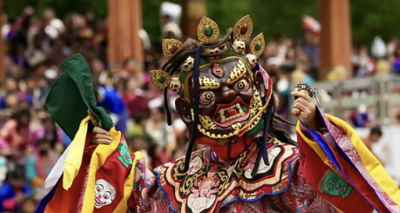
The twin monastic festivals of Leh Dosmochey and Likir Monastery Stromochey are being celebrated in Ladakh with religious fervour and traditional grandeur. The festivals are among the most important Buddhist events in the region. They combine ritual worship, masked tantric dances, and prayers for peace, prosperity, and a good agricultural season. They also mark the end of the severe winter and the beginning of preparations for the next farming cycle.
Religious Significance
The festivals symbolise the victory of good over evil. Monks perform sacred Buddhist tantric mask dances as the central attraction. These dances are part of the region’s living monastic tradition and are believed to invoke protection and blessings for the community.
Rituals and Prayers
The celebrations are preceded by a fortnight of special prayers and rituals. These prayers are offered for:
- World peace.
- Timely snowfall and rainfall.
- A prosperous harvest.
The rituals reflect the close link between Ladakh’s spiritual life and its fragile mountain ecology.
Seasonal and Agricultural Importance
The festivals are closely associated with the end of the harsh winter season. For local farmers, this period signals the transition towards renewed activity. It also marks the start of preparations for sowing and other agricultural work in the coming months.
Cultural Importance in Ladakh
Leh Dosmochey and Likir Stromochey show Ladakh’s Buddhist heritage and monastic culture. They bring together religious observance, community participation, and traditional performance. Such festivals remain important for preserving local identity and transmitting cultural practices across generations.
Last Modified: April 28, 2026