
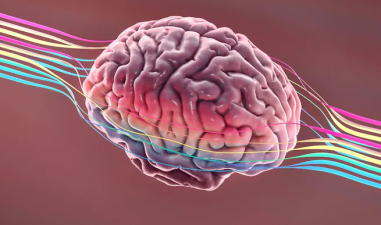
Vitamin D has long been associated with bone strength, but new evidence suggests it may also influence long-term brain health. Recent research indicates that vitamin D levels in the 30s and 40s can help predict cognitive outcomes in later life, particularly in relation to brain ageing and dementia-related changes. The findings add to growing concern over widespread vitamin D deficiency, including in tropical countries such as India.
Midlife Levels and Brain Protection
A long-term study followed nearly 800 people for 16 years and found that individuals with higher vitamin D levels in midlife had lower levels of tau protein in later life. Tau is a brain protein that can form harmful tangles when it misfolds. These tangles are linked to Alzheimer’s disease and other dementias. Lower tau burden suggests a possible protective role for adequate vitamin D over time.
Evidence from Cognitive Research
A systematic review published in Clinical Nutrition Open Science found that vitamin D supplementation may improve cognitive function, especially in people who are already deficient or cognitively vulnerable. This supports the view that vitamin D is not only relevant for bones and muscles, but may also be important for maintaining memory, attention and executive function.
Vitamin D Deficiency in India
India faces a high burden of vitamin D deficiency despite abundant sunlight. Studies have estimated deficiency levels in a large share of the population, driven by indoor lifestyles, pollution, limited sun exposure and darker skin pigmentation, which reduces vitamin D synthesis. Research from the National Institute of Nutrition has also linked low serum vitamin D with poorer executive function in middle-aged adults.
Public Health and Prevention
The findings show the importance of early testing and prevention. A 25-hydroxy vitamin D blood test can identify deficiency. Safe sun exposure, dietary sources and doctor-guided supplementation are commonly used to maintain adequate levels. The study reinforces that midlife is a critical window for reducing later-life brain decline.
Last Modified: April 27, 2026