
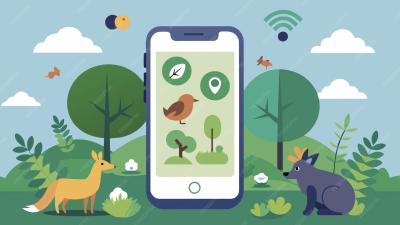
An AI-powered mobile application, NeophyteID, will be launched at the Kerala Science Congress to help identify invasive plant species across Kerala. Developed by researchers at the Malabar Botanical Garden and Institute for Plant Sciences (MBGIPS), the app uses image recognition and geospatial tracking to detect and map neophyte plants from photographs taken on a phone camera or uploaded from the gallery. It is designed to support biodiversity monitoring, conservation efforts and community-based management of invasive flora.
What the App Does
NeophyteID uses the YOLOv11 machine learning model for plant identification. Users can click a photo or upload an image from their device. The app then shows whether the plant is invasive, along with related details and images. Each identification also contributes to a real-time distribution map.
Purpose and Public Use
The app is intended to be citizen-friendly and accessible in both English and Malayalam. It aims to help local communities, students and ecologists monitor invasive species that threaten native plants and ecosystems. The tool can also be used for identifying invasive plants in home gardens and local surroundings.
Development and Field Context
The idea for the app emerged during interaction with indigenous tribal communities at Sughandagiri Tribal Eco Village in Wayanad. A plant eradication drive there showed the need for better identification tools, as native plants were removed along with invasive ones. The mobile app was developed with support from MBGIPS scientists and a web application was also created with assistance from a collaborator.
Significance for Biodiversity Management
The app currently includes information on nearly 98 plant species. It can strengthen early detection, public participation and ecological restoration efforts. Such digital tools are increasingly important in managing biological invasions, protecting native biodiversity and improving environmental decision-making.
Last Modified: April 27, 2026