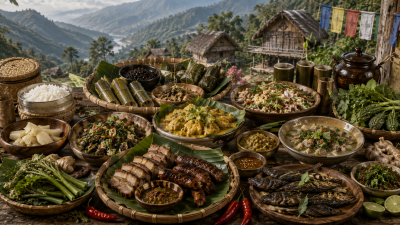
The culinary culture of the "Seven Sister States" (Arunachal Pradesh, Assam, Manipur, Meghalaya, Mizoram, Nagaland, Tripura) and the "Brother" state (Sikkim) is distinct from the mainland "Vedic-Mughal" tradition....
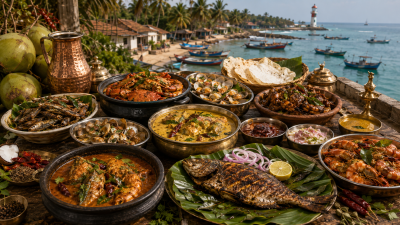
The coastal culinary culture of India, spanning approximately 7,516 km across nine states and two union territories, is a testament to the "Blue Economy" of ancient and medieval...
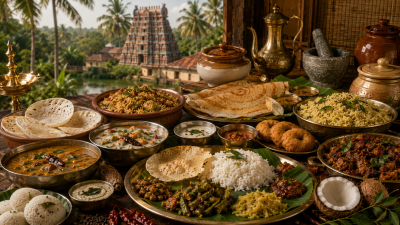
The culinary heritage of South India—comprising Andhra Pradesh, Telangana, Karnataka, Kerala, and Tamil Nadu—is fundamentally shaped by its tropical climate and extensive coastline. The region’s diet is predominantly...
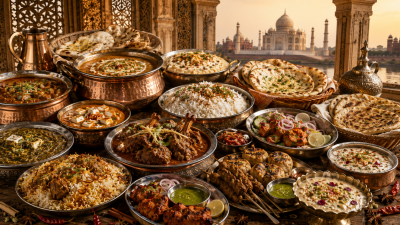
The North Indian culinary landscape is a profound synthesis of indigenous regional practices and centuries of trans-frontier influences. It is primarily characterized by the "Wheat-Dairy-Spice" complex, shaped by...
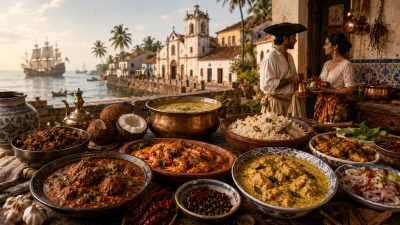
The Portuguese arrival in 1498, led by Vasco da Gama, marked the beginning of a profound "Columbian Exchange" that permanently altered the Indian palate. Unlike other colonial powers,...
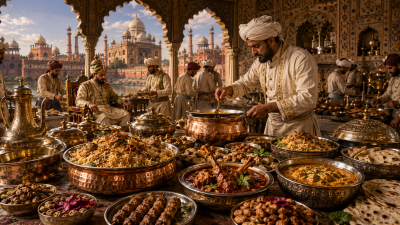
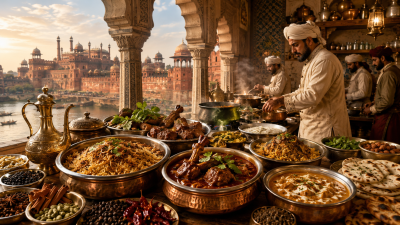
The Mughal culinary tradition represents the pinnacle of Indo-Islamic fusion, blending the hearty nomadic diet of Central Asia with the refined aesthetics of Persian cuisine and the vibrant...
The advent of Islamic rule in India, beginning with the Delhi Sultanate (1206–1526) and reaching its zenith during the Mughal Empire (1526–1857), fundamentally transformed the Indian kitchen. This...
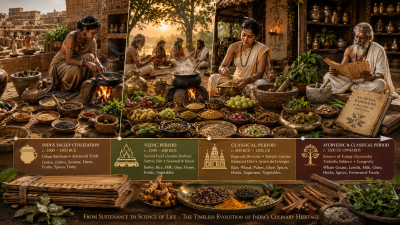
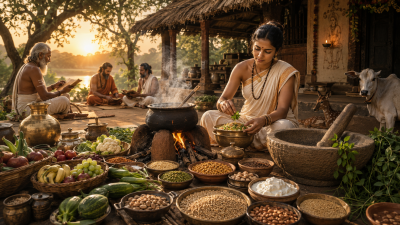
The culinary heritage of ancient India is a synthesis of indigenous agricultural practices, religious philosophies, and the science of longevity. It spans from the proto-historic urbanism of the...
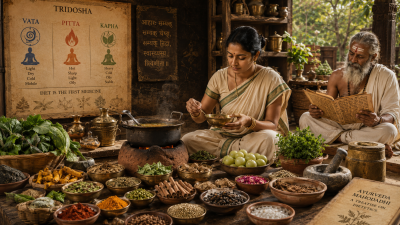
Ayurvedic culinary science is founded on the principle that "when diet is wrong, medicine is of no use; when diet is correct, medicine is of no need." It...
The Vedic culinary tradition is deeply rooted in the philosophy that food (Ahara) is the primary sustainer of life and a determinant of mental temperament. According to the...