The world is currently facing an unprecedented coral bleaching crisis. The fourth global coral bleaching event (GCBE4) began in January 2023 and has surpassed previous records in scale...
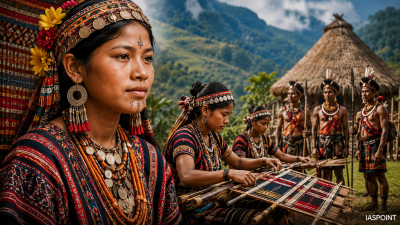
Tribal attire in India represents a sophisticated synthesis of indigenous ecology, spiritual beliefs, and ancestral weaving techniques. Unlike mainstream textiles, tribal clothing often functions as a social semiotic,...
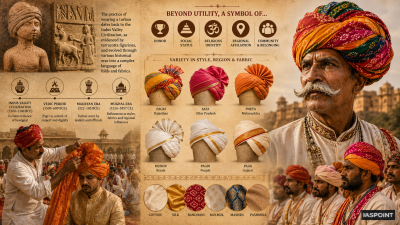
The turban, known by various regional names like Pagri, Safa, Pheta, or Paag, is a quintessential element of Indian heritage. Historically, it served as a functional headgear to...
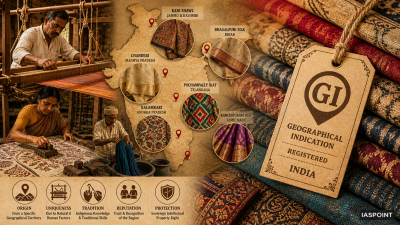
Geographical Indication (GI) is a sovereign intellectual property right granted to products originating from a specific geographical territory, possessing qualities or a reputation unique to that region. In...
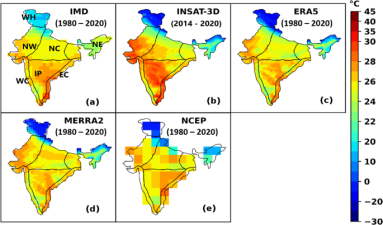
The India Meteorological Department (IMD) reported that 2024 was the warmest year recorded in India, with an annual mean surface temperature anomaly of +0.65°C. However, a deeper analysis...
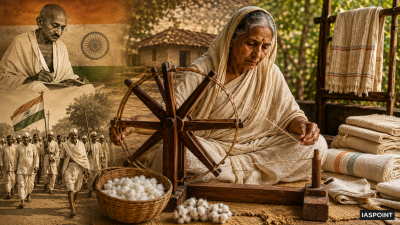
Khadi, derived from the term "Khaddar," refers to hand-spun and hand-woven cloth. While hand-spinning has existed in India for millennia, Khadi was transformed from a humble rural fabric...
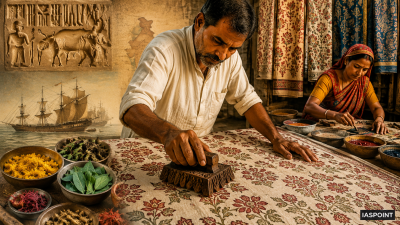
Textile printing in India is an ancient craft, with archaeological evidence from the Indus Valley Civilization suggesting the use of mordants and vegetable dyes. Historically, India was the...
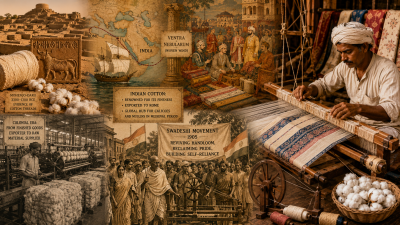
India is the birthplace of cotton cultivation, with its roots tracing back to the Indus Valley Civilization (3300–1300 BCE), where cotton threads were discovered at Mohenjo-daro. Historically, Indian...
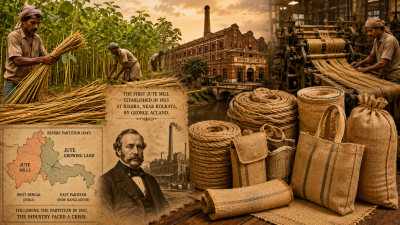
Jute, known as the "Golden Fibre" due to its color and high monetary value, has been an integral part of Indian heritage for centuries. Traditionally used in Bengal...
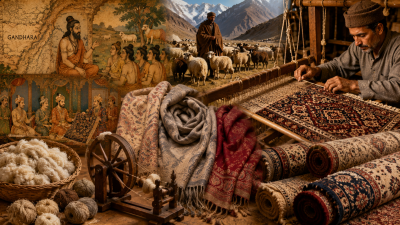
The tradition of woolen textiles in India, known as Urna in ancient Sanskrit texts, dates back to the Vedic period. The Rig Veda mentions the "God of Shepherds"...