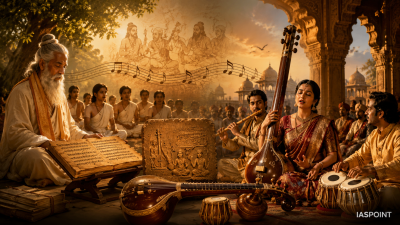
The origins of Indian classical music are rooted in the Vedas, specifically the Samaveda, which is considered the foundational text for musical chanting. Ancient Indian music transitioned from...
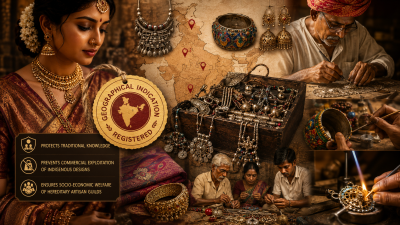
A Geographical Indication (GI) tag is a sign used on products that have a specific geographical origin and possess qualities or a reputation that are due to that...
A report by the Oakland Institute raised serious concerns about the World Bank's approach to land reforms linked to climate action. The report claims these reforms prioritise corporate...
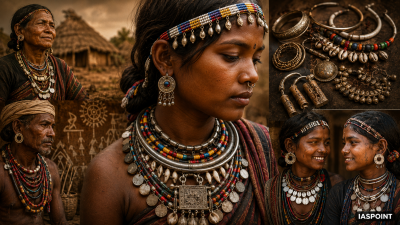
Tribal jewellery in India is more than mere adornment; it is a repository of indigenous history, social hierarchy, and spiritual protection. Unlike the refined gold-centric traditions of the...
Indian jewellery is not merely an accessory but a visual record of the country's aesthetic, social, and economic history. Since the Indus Valley Civilization, Indian artisans have mastered...
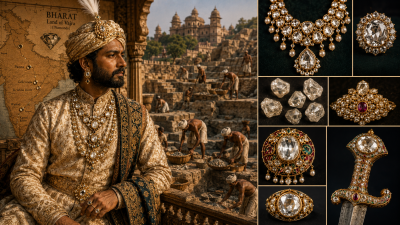
India was the world’s exclusive source of diamonds for over two millennia, until the discovery of deposits in Brazil (1725) and South Africa (1867). Known in Sanskrit as...
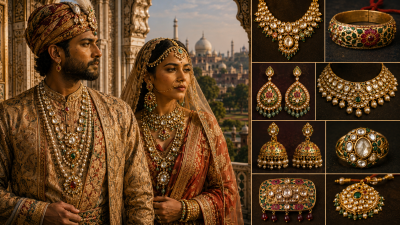
The Medieval period (c. 8th to 18th Century CE) witnessed a radical transformation in Indian jewellery. The arrival of the Delhi Sultanate and later the Mughal Empire introduced...
Eight Gram Sabhas in the Baipariguda block of Odisha’s Koraput district are awaiting important government notification. This notification is essential for the deregulation of kendu leaves trade. Known...
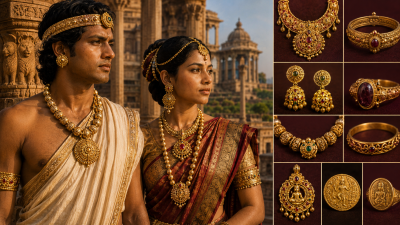
The transition from the Mauryan Empire to the Gupta "Golden Age" marks the evolution of Indian jewellery from heavy, symbolic ornaments to refined, intricate masterpieces. This period witnessed...
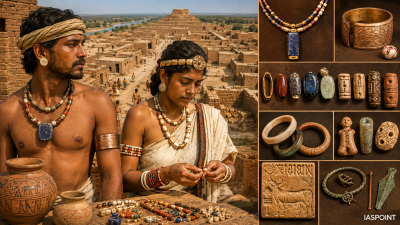
The Indus Valley Civilization (IVC), spanning approximately 3300 BCE to 1300 BCE, represents the bedrock of Indian lapidary arts. Harappan jewellery was characterized by a sophisticated understanding of...