
The transition from the Mauryan Empire to the Gupta “Golden Age” marks the evolution of Indian jewellery from heavy, symbolic ornaments to refined, intricate masterpieces. This period witnessed the systematization of gemology (Ratnashastra), the establishment of state-controlled mining, and the integration of jewellery into the socio-religious fabric of ancient India.
Mauryan Era: State Monopoly and Standardized Craft (c. 322 – 185 BCE)
During the Mauryan period, jewellery was an indicator of bureaucratic rank and royal authority. The Arthashastra by Chanakya provides the first comprehensive written record of state-regulated jewellery production.
Administrative Control of Ornaments
- Akaradhyaksha (Superintendent of Mines): A specialized official responsible for the extraction of gold, silver, and precious stones.
- Suvarnadhyaksha (Superintendent of Gold): An official who supervised the guild of goldsmiths and ensured the purity of metals used in the royal treasury.
- State Workshops: Artisans worked in state-run workshops to create standardized ornaments for the military and the nobility.
Characteristics of Mauryan Jewellery
- Materials: Dominant use of gold, silver, and semi-precious stones like carnelian, agate, and lapis lazuli.
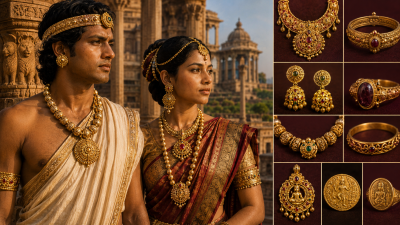
- Technical Style: Mauryan jewellery was often massive and bold. Common items included heavy Karnaphulas (earrings), Haras (necklaces), and Meghalas (girdles).
- The Punch-Marked Influence: Jewellery designs often mirrored the symbols found on punch-marked coins, featuring sun motifs, crescents, and animal figures.
Post-Mauryan and Shunga-Kushan Period: The Cosmopolitan Influence (c. 2nd Century BCE – 3rd Century CE)
Following the Mauryas, the Shunga and Kushan dynasties introduced Greco-Roman and Central Asian aesthetics into Indian ornamentation, particularly in the Gandhara and Mathura regions.
Innovations in Design and Technique
- Granulation and Filigree: The introduction of tiny gold spheres (granulation) and delicate wirework (filigree), likely influenced by contact with the Hellenistic world.
- The “Kushan Headdress”: Elite headgear became more elaborate, incorporating pearls and large cabochon-cut gems.
- Repoussé Work: Hammering metal from the reverse side to create high-relief designs became a common technique for amulets and pendants.
The Gupta Era: The Golden Age of Gemology (c. 4th – 6th Century CE)
The Gupta period represents the pinnacle of aesthetic refinement. Jewellery was no longer just a sign of wealth but a medium for expressing artistic fluidity and “Rasa.”
Emergence of Ratnashastra (Science of Gems)
The Gupta period saw the formalization of gemology. Texts like the Brihat Samhita by Varahamihira categorized gemstones based on their origin, color, and mystical properties.
- Navaratna Concept: The philosophical grouping of nine gems to represent planetary bodies gained traction during this era.
- Diamond Grading: Ancient Indians were the first to grade diamonds based on the four Varnas (colors), associating white diamonds with Brahmins and yellow with Vaishyas.
Art and Jewellery Synergy
The murals at Ajanta and the sculptures at Deogarh serve as primary visual records of Gupta-era ornamentation.
- Ekavali: A single-strand pearl necklace with a central blue gem (usually sapphire or lapis lazuli), which became a hallmark of Gupta elegance.
- Keyura: Elaborate armlets featuring Makara (mythical sea-creature) motifs.
- Nupura: Fine, tinkling anklets that were often described in the contemporary Sanskrit literature of Kalidasa.
Comparative Analysis of Jewellery Evolution
| Feature | Mauryan Period | Gupta Period |
| Primary Focus | Power, status, and state-standardization. | Artistic grace, fluidity, and spiritual symbolism. |
| Metalwork | Heavy, solid casting; focus on weight. | Delicate hollow casting, chasing, and repoussé. |
| Gem Usage | Mostly semi-precious stones and beads. | High-quality precious gems; pearls, rubies, and emeralds. |
| Literary Source | Kautilya’s Arthashastra. | Varahamihira’s Brihat Samhita and Kalidasa’s works. |
| Key Ornament | Heavy Karnaphulas (ear-studs). | The minimalist Ekavali (pearl strand). |
Significant Archaeological Sites and Findings
- Taxila (Sirkap): A treasure trove of Indo-Greek and Scythian jewellery, including gold pendants with turquoise inlays.
- Bharhut and Sanchi: Stupa railings depict commoners and deities wearing elaborate multi-stranded beaded girdles and heavy anklets.
- Paithan and Ter: Sites in Maharashtra that revealed sophisticated terracotta ear-plugs and ivory hairpins from the Satavahana era.
Fact Sheet for UPSC Prelims
- Ratna-Pariksha: A specialized branch of knowledge mentioned in ancient texts involving the testing of gems for flaws (doshas).
- Muktavali: A string of pearls; pearls were highly prized during the Gupta era and were largely sourced from the Gulf of Mannar.
- Gold Sourcing: While the Mauryas used river-wash gold (Auriferous sands), the Kushans and Guptas benefited from the influx of Roman gold coins and mining in the Deccan.
- Bezel Setting: The technique of securing a gemstone by a metal rim was perfected during this timeline.
- Nishka: Originally a term for gold coins in the Vedic period, it evolved to refer to gold neck-ornaments in the Mauryan and post-Mauryan contexts.