
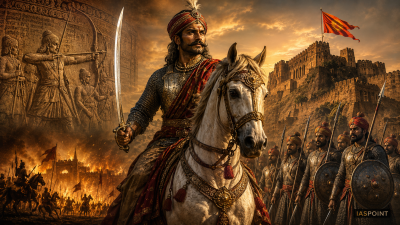
The Rajput martial tradition represents a unique synthesis of Vedic military science and a socio-cultural ethos known as Rajputra-Dharma. Emerging prominently between the 6th and 12th centuries CE, this code was not merely a set of combat techniques but a comprehensive lifestyle that prioritized chivalry (Anakh), lineage honor (Kul), and the concept of “Saka” (ultimate sacrifice). It functioned as a specialized branch of the Dhanurveda, adapted for the rugged terrains of Rajasthan and Central India.
Core Philosophical Pillars: Shastra and Shaastra
The Rajput warrior was expected to be a master of both Shastra (weapons) and Shaastra (scriptures). The martial code was governed by specific ethical mandates:
- Dharam-Yuddha: Adherence to righteous warfare, which forbade attacking an unarmed opponent, a person fleeing the battlefield, or a non-combatant.
- Sharana: The absolute duty to provide sanctuary to any individual seeking protection, regardless of their background or the risk involved.
- Tyag and Tapasya: The belief that a warrior’s body belonged to the clan and the land, requiring rigorous physical austerity and mental discipline.
Specialized Weaponry and Combat Specializations
The Rajput arsenal was highly specialized, reflecting their preference for close-quarter combat and high-mobility cavalry charges.
| Weapon | Nomenclature | Description and Strategic Use |
| Khanda | Double-Edged Sword | A heavy, straight sword with a broad blade used for powerful hacking strikes; a symbol of the Goddess Durga. |
| Talwar | Curved Saber | The primary sidearm, optimized for the “draw-cut” technique essential for cavalry engagement. |
| Katar | Punch Dagger | A signature Rajput weapon with an H-shaped handle, designed for piercing chainmail in close-quarters. |
| Bala / Barcha | Spear / Lance | Used primarily by the frontline cavalry to break enemy infantry formations. |
| Pata | Gauntlet Sword | An extension of the arm used for circular slashing; popularized by the Rathore and Sisodia clans. |
| Sirohi | Lightweight Sword | Named after the Sirohi region, famous for its high-carbon steel and exceptional sharpness. |
The Science of Rajput Warfare: Tactics and Formations
Rajput military strategy focused on decentralized command and high-intensity charges.
- Vyuha Mastery: Utilization of ancient formations such as the Padma-Vyuha (Lotus formation) and Chakra-Vyuha, though often adapted into the Herawal (vanguard) and Chandawal (rearguard) system.
- Cavalry Excellence: The Rajputs favored the Marwari and Kathiawari horse breeds, known for their bravery and loyalty. Tactics included the Ghori-Paal, where the horse would use its front hooves to strike enemy elephants or shields.
- Fortification Arts: The code extended to Durg-Vidya (Fortification Science), leading to the construction of hill forts like Chittorgarh and Kumbhalgarh, designed with winding entries (Pol) to neutralize enemy momentum.
Traditional Martial Ceremonies and Rituals
Martial life was punctuated by rituals that reinforced the bond between the warrior and his weapons.
- Shastra Puja: Performed during Vijayadashami, where weapons are sanctified with vermillion and incense, acknowledging them as manifestations of divine energy.
- Saka and Jauhar: The “Saka” was the final desperate charge where warriors donned saffron robes (Kesariya), signaling they would not return from the field alive. This was often preceded by “Jauhar” (self-immolation by women) to prevent capture.
- Aparajita Puja: A ritual performed before a campaign to invoke the Goddess of Victory.
Regional Martial Arts Influenced by Rajput Code
The Rajput ethos directly influenced several regional martial traditions across North and West India:
- Mardani Khel: While associated with Marathas, its early weapon vocabulary (like the use of the Pata) was influenced by Rajput swordsmanship.
- Lathi-Khela: Utilized by the peasantry under Rajput landlords for village defense.
- Gatka: Many early Sikh military traditions integrated Rajput weapon-handling techniques, particularly the use of the curved Talwar.
UPSC Prelims Fact File and Trivia
- The Sirohi Sword: Historical records suggest that the Rajputs of Sirohi produced steel that was comparable to the famous Damascus steel; these swords were highly coveted by the Mughal Emperors.
- Manasollasa Connection: Much of the Rajput wrestling and training regimens are documented in the 12th-century Sanskrit text Manasollasa.
- Kshatriya Kula-Vatika: Historical schools where Rajput princes were trained in 32 types of weapon handling and 64 types of arts.
- Chetak Legend: The horse of Maharana Pratap, Chetak, remains the most celebrated example of the animal-warrior bond in Rajput martial lore.
- Braj-Bhasha Poetry: Much of the “Veer Ras” (Heroic Sentiment) in medieval Indian literature is dedicated to the technical description of Rajput battles and weapon maneuvers.
Comparison: Rajput Code vs. Medieval Chivalry
| Feature | Rajput Martial Code | European Chivalry |
| Spiritual Basis | Dharma / Karma (Vedic) | Christian Knighthood |
| Ultimate Sacrifice | Saka / Kesariya | Martyrdom in Crusade |
| Treatment of Foes | No attack on unarmed/retreating | Codes varied; ransom was common |
| Weapon Focus | Sword (Talwar), Katar, Spear | Longsword, Lance, Mace |
| Social Structure | Clan/Lineage based (Kul) | Feudal hierarchy / Manor based |