
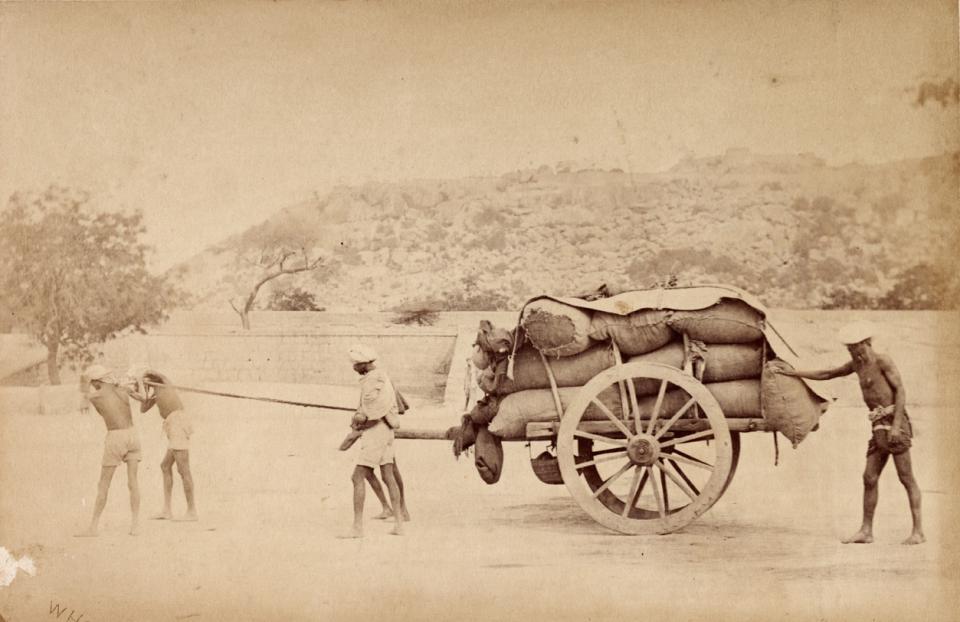
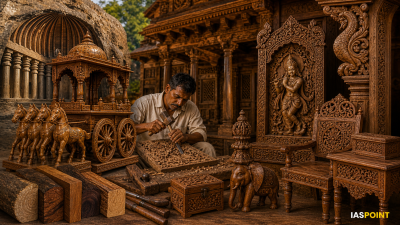
Woodcraft in India is a heritage that transitions from the ancient Vedic Rathas (chariots) to the intricate architectural facades of the medieval period. Historically, wood was the primary medium for Indian architecture before the widespread adoption of stone, as evidenced by the wooden origins of the rock-cut caves at Karle and Bhaja. The craft is governed by the availability of timber such as Teak, Sheesham (Dalbergia sissoo), Sandalwood, Ebony, and Walnut, with each region developing techniques suited to the specific grain and density of the local wood.
Major Woodworking Techniques and Styles
The diversity of Indian woodcraft is defined by specific manipulation techniques that range from delicate micro-carving to structural joinery.
- Lattice Work (Pinjra Kari): A technique where thin strips of wood are held together by pressure and interlocking joints without the use of nails or glue. It is a hallmark of Kashmiri architecture.
- Sandalwood Carving: One of the most expensive and intricate forms of woodcraft, utilizing the fragrant, close-grained heartwood of Santalum album. It involves high-relief carving and micro-detail work.
- Lacquerware: The process of applying layers of lacquer (resinous secretion of the lac insect) on wooden objects, often while the object is revolving on a lathe.
- Inlay Work (Tarkashi): The art of embedding thin wires of brass, copper, or silver into wood, or inlaying contrasting pieces of wood/ivory/bone into a wooden base.
Regional Specializations and Clusters
Indian woodcraft is highly decentralized, with specific states holding monopolies over certain varieties of wood and stylistic expressions.
| State | Primary Craft Type | Key Timber Used | Distinctive Features |
| Jammu & Kashmir | Walnut Wood Carving | Juglans regia (Walnut) | Intricate floral/fauna motifs; natural dark finish. |
| Karnataka | Sandalwood & Rosewood Inlay | Santalum album | Mysore is the hub; known for sandalwood icons and rosewood furniture. |
| Uttar Pradesh | Saharanpur Woodwork | Sheesham/Teak | Vine-leaf patterns (Angoori) and brass inlay (Tarkashi). |
| Rajasthan | Jodhpur/Shekhawati Work | Rohida/Mango | Distressed finishes, painted furniture, and ornate doors. |
| Andhra Pradesh | Kondapalli Toys | Poniki (Softwood) | Lightweight, colorful mythological and rural figurines. |
| Tamil Nadu | Madurai Carving | Teak/Rosewood | Elaborate temple chariots (Rathas) and Yali motifs. |
Wooden Toy Traditions of India
Toys represent the socio-cultural fabric of their respective regions and are often made from soft, eco-friendly woods.
- Channapatna Toys (Karnataka): Known as “Gombegala Ooru” (Toy Town), these are made from Dudhi wood (Ivory wood) and finished with non-toxic vegetable dyes and lac.
- Nirmal Toys (Telangana): Influenced by the 14th-century Nakash artisans, these use “Poniki” wood and are painted with unique “Duco” colors.
- Ettikoppaka Toys (Andhra Pradesh): Distinguished by the use of “Laccad” (lacquer) and natural dyes, particularly the use of the Seeds of Bixa Orellana for coloring.
- Sawantwadi Toys (Maharashtra): Historically famous for hand-painted wooden fruit sets and Ganjifa cards.
Architectural Woodcraft and Religious Art
Wood has remained the medium of choice for sacred objects and temple structural elements across the subcontinent.
- Kerala’s Wood Architecture: The Thatchu Shastra (Science of Carpentry) governs the construction of temples like the Padmanabhapuram Palace, featuring exquisite ceilings and rafters.
- Kath-Kuni Architecture (Himachal Pradesh): A traditional building technique using alternate layers of wood and stone to create earthquake-resistant structures.
- Sankheda Furniture (Gujarat): Hand-painted and lacquered furniture from the Panchmahal district, often used in traditional Gujarati weddings.
- Wooden Masks (Majuli, Assam): Large, lightweight masks made of bamboo and wood used in Bhaona (traditional folk theater).
Geographical Indications (GI) in Wood Handicrafts
The GI tag ensures the protection of traditional techniques and prevents the commercial exploitation of regional artisanal identities.
- Saharanpur Wood Craft (UP): Protected for its unique deep-carving techniques.
- Walnut Wood Carving of Kashmir: Recognized for the use of seasoned walnut wood which does not warp.
- Bastar Wooden Craft (Chhattisgarh): Tribal woodcraft depicting local folklore and forest life.
- Sankheda Furniture (Gujarat): Known for its distinct maroon and gold lacquer work.
Technical Trivia for UPSC Prelims
- Dudhi Wood: Scientifically known as Wrightia tinctoria, it is the preferred wood for lacquerware because of its white, even-grained texture.
- Khatamband: A specialty of Kashmir where small pieces of wood are fitted into each other in geometrical patterns to form a ceiling. Unlike Pinjra Kari, it is used specifically for ceilings.
- Sandalwood Distribution: While Karnataka is the primary producer, the Marayoor forests in Kerala are also famous for high-quality natural sandalwood.
- Ebony (Abnus): Historically used in luxury Indian furniture, it is a dense, black wood that is now highly regulated due to conservation efforts.
Institutional Framework and Market Dynamics
- Forest Development Corporations: Manage the sustainable supply of timber to artisans.
- CITES Regulations: The trade of certain woods like Rosewood (Dalbergia latifolia) is strictly monitored internationally to prevent over-exploitation.
- Sahayog Scheme: Provides financial assistance and design interventions for woodcraft clusters through the Office of the Development Commissioner (Handicrafts).
- Vriksh Scheme: An assessment and certification scheme for wooden handicrafts to ensure the legality of wood used in exports.