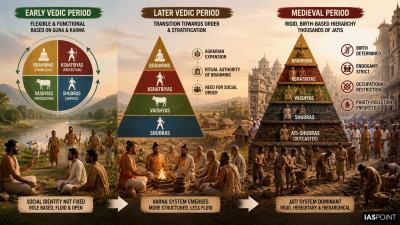
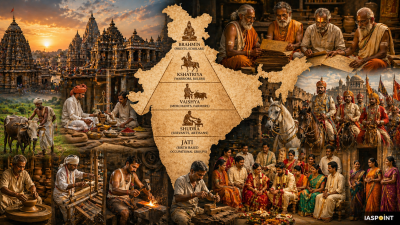
The Indian social hierarchy is a unique stratification system that transitioned from a flexible functional division in the early Vedic period to a rigid, birth-based structure in the...
The traditional social structure in India is a complex, hierarchical system shaped by historical, religious, and occupational factors. Primarily rooted in the Vedic civilization, it has evolved through...
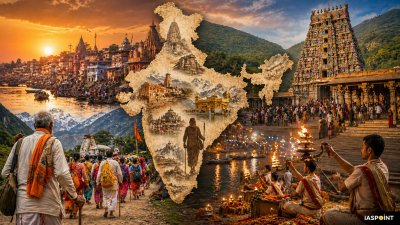
Pilgrimage or Tirtha-Yatra is an integral part of the Indian religious landscape, representing a journey to a "crossing place" (Tirtha) between the mundane and the divine. These traditions...
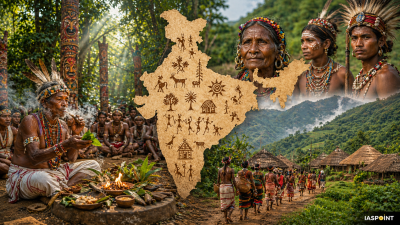
India is home to over 700 scheduled tribes, making up approximately 8.6% of the total population (2011 Census). While many tribes have integrated elements of Hinduism, Christianity, or...
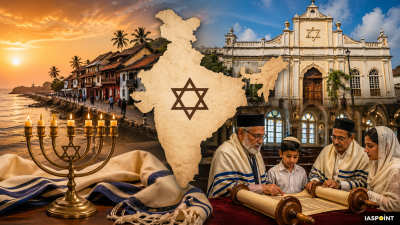
Judaism is one of the oldest non-indigenous religions in India, with a history spanning over two millennia. Unlike the history of Jews in Europe, the Indian Jewish experience...
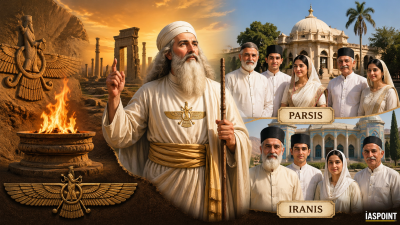
Zoroastrianism is one of the world's oldest monotheistic religions, founded by the Prophet Zarathustra (Zoroaster) in ancient Iran approximately 3,500 years ago. Its adherents in India are primarily...
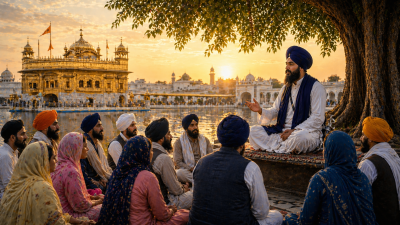
Sikhism is one of the youngest world religions, founded in the late 15th century in the Punjab region of the Indian subcontinent. It emerged as a distinct monotheistic...
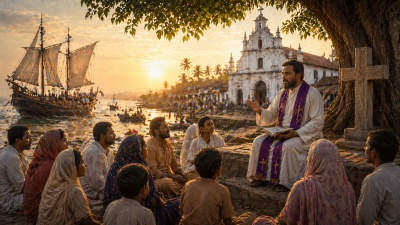
Christianity is one of the oldest religions in India, with its roots stretching back to the 1st century CE. Its arrival predates many European Christian traditions, evolving through...
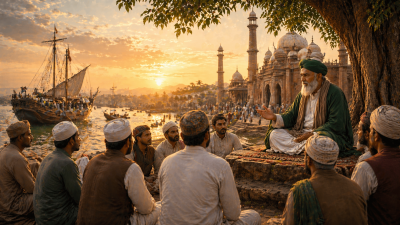
Islam is the second-largest religion in India, with its presence dating back nearly 1,400 years. Its integration into the Indian subcontinent occurred through three primary channels: maritime trade,...
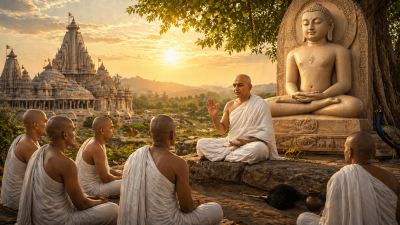
Jainism is one of the world's oldest religions, fundamentally rooted in the philosophy of self-reliance and non-violence (Ahimsa). It is a "Nastika" or heterodox school of Indian philosophy,...