
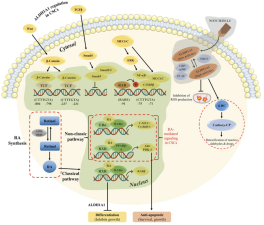
Vitamin A-derived retinoic acid has been identified as a key factor that can suppress the body’s anti-cancer immune response and reduce the effectiveness of dendritic cell vaccines. The findings also led to the development of experimental drugs that block retinoic acid signalling, opening a new route for cancer immunotherapy.
What the Research Found
Retinoic acid, a metabolite of vitamin A, was shown to interfere with immune cells that normally help the body detect and destroy tumours. The molecule can reprogramme dendritic cells and create immune tolerance around cancer. This weakens the activation of T cells and reduces the impact of cancer vaccines.
Role of Dendritic Cells
Dendritic cells are central to immune defence. They capture abnormal proteins, present them as antigens and activate T cells. In dendritic cell vaccines, these cells are grown in the laboratory with tumour antigens and then returned to the patient. The study found that under common vaccine-production conditions, dendritic cells begin producing retinoic acid, which suppresses their maturation and lowers vaccine performance.
New Drug Candidate KyA33
Researchers developed KyA33, an experimental compound that blocks retinoic acid production. In preclinical studies, it improved dendritic cell vaccine responses and also showed stand-alone anti-tumour activity. The drug worked by inhibiting ALDH1a2, an enzyme involved in retinoic acid synthesis in dendritic cells, and by restoring immune activation in mouse models of melanoma.
Why the Finding Matters
The study helps explain the long-standing paradox of vitamin A in cancer. Retinoic acid can slow cancer cell growth in laboratory settings, yet high vitamin A intake and elevated ALDH1A enzyme levels in tumours are linked to poorer outcomes in many cancers. The research suggests that retinoic acid mainly shapes the tumour microenvironment by suppressing immune responses rather than acting directly on cancer cells.
Last Modified: April 27, 2026