
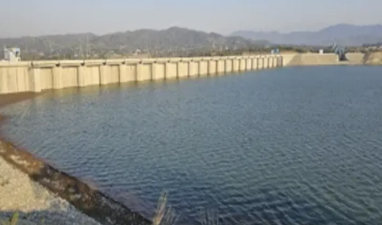
India is set to stop the surplus flow of Ravi river water into Pakistan as the long-delayed Shahpur Kandi dam on the Jammu and Kashmir–Punjab border nears completion. The project is expected to be completed by 31 March and is seen as for water management, irrigation and regional geopolitics. It comes amid heightened tensions after the suspension of the Indus Waters Treaty and renewed focus on India’s rights over the eastern rivers.
What the Project Means
The Shahpur Kandi dam is being revived to regulate Ravi river waters more effectively. Once operational, it will prevent excess water from flowing downstream into Pakistan. The project is also important for drought-prone areas in Kathua and Samba districts, where better water storage and distribution are needed.
Link to Indus Waters Treaty
The project falls outside the core restrictions of the Indus Waters Treaty of 1960. Under the treaty, India has unrestricted use of the eastern rivers – Ravi, Beas and Sutlej. Pakistan has rights over the western rivers – Indus, Jhelum and Chenab. The treaty, brokered by the World Bank, has long shaped water-sharing between the two countries.
Strategic and Political Significance
The fast-tracking of the dam has wider geopolitical implications. It reflects India’s intent to fully utilise its legitimate share of eastern river waters. The development follows the Pahalgam terror attack and the subsequent suspension of the treaty, which has further strained bilateral relations.
Impact on Pakistan and Regional Water Stress
Pakistan already faces severe water stress, and reduced Ravi inflows may deepen its difficulties. For years, surplus Ravi water flowed into Pakistan because of limited storage capacity on the Indian side. The completion of Shahpur Kandi is expected to end this routine spillover and strengthen India’s water control in the region.
Last Modified: April 28, 2026