GS-III refers to the General Studies Paper III in the Civil Services Examination. It covers topics such as Indian economy, agriculture, and environment. This paper assesses candidates' understanding of various socio-economic issues. It also includes disaster management and security challenges. Mastery of GS-III is essential for effective governance. Candidates must stay updated on current affairs and policies related to these subjects.
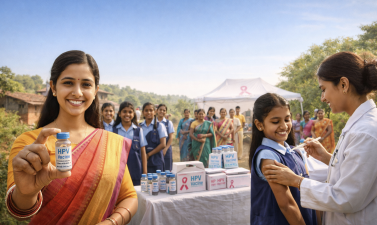
India made a historic move in 2026 by launching a nationwide Human Papillomavirus (HPV) vaccination programme for adolescent girls. This step aims to eliminate cervical cancer, a largely...
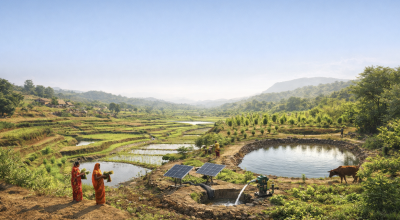
Recent policy focus marks watershed development as a key tool for sustainable rural growth in India. With over half of the country’s cropped area dependent on rain, water...
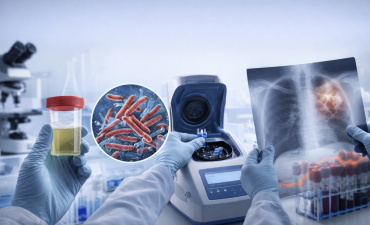
Recent developments in tuberculosis (TB) diagnosis have transformed global and Indian efforts to eliminate the disease. The World Health Organization (WHO) recently endorsed new near point-of-care molecular tests,...
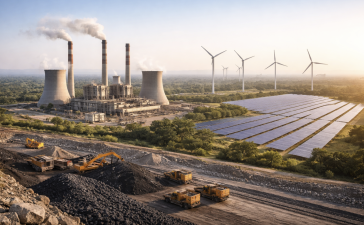
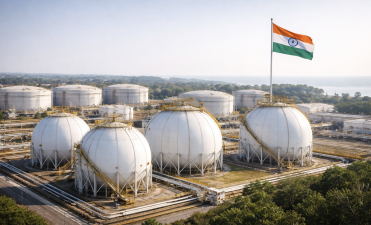
India faces a severe energy security crisis due to ongoing conflicts in the Middle East disrupting oil and gas supplies. The war near the Strait of Hormuz, a...
Recently, a CEEW report noted that India’s strategic petroleum reserves cover only about 9–10 days of net crude import needs, while the national buffer (including commercial stocks) is...
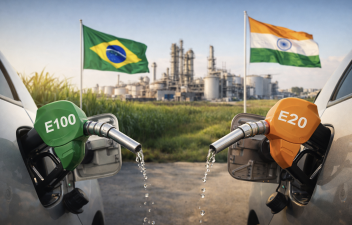
In 2026, Brazil remains a global leader in ethanol fuel use, with alcohol powering over half of its light vehicle fleet. India is increasingly looking to replicate Brazil’s...
The 2025 State of the Climate Report by the World Meteorological Organization reveals alarming trends. The past 11 years rank as the hottest on record, with 2025 being...
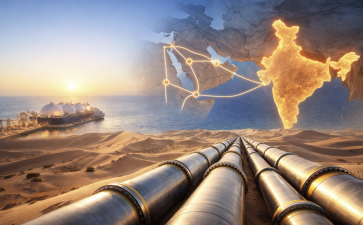
India’s energy imports from West Asia faced renewed scrutiny in 2026 amid regional conflicts. The shortage of liquefied petroleum gas (LPG) and liquefied natural gas (LNG) disrupted several...
Recent GST reforms in India have focused on advancing environmental sustainability. The government, led by Prime Minister Narendra Modi, has lowered tax rates on waste management, biodegradable products,...
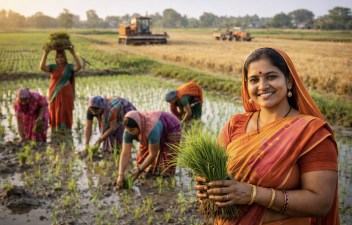
Agriculture remains a vital sector in India’s economy. In 2026, the United Nations declared it the International Year of the Woman Farmer (IYWF 2026). This recognises women’s crucial...