
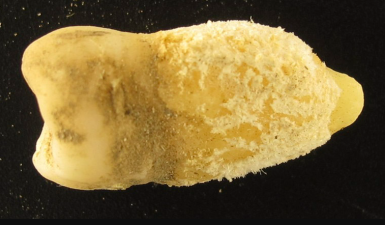
Researchers have reconstructed a nearly complete genome of the bacterium Streptococcus pyogenes from a 700-year-old mummy tooth found in the Bolivian Altiplano. The discovery, published in Nature Communications in April 2026, confirms the presence of this pathogen in South America before European contact in 1492. The DNA belonged to a young indigenous man who lived between 1283 and 1383 Common Era. The dry and cold conditions of the Bolivian highlands facilitated natural mummification, preserving the genetic material. This finding shows that the ancient bacterium carried many pathogenic genes similar to modern strains causing scarlet fever.
Scientific Profile of Streptococcus pyogenes
Classification and Characteristics
Streptococcus pyogenes is a specific species of Gram-positive, spherical-shaped bacteria (cocci) that typically grow in chains. It belongs to the Domain Bacteria, Phylum Firmicutes, Order Lactobacillales, and Family Streptococcaceae.
- Lancefield Grouping: It is classified as Group A Streptococcus (GAS) based on the specific carbohydrate antigens present on its cell wall.
- Hemolytic Activity: The bacterium displays beta-hemolytic activity, meaning it completely ruptures and destroys red blood cells when cultured on a blood agar medium.
- Oxygen Requirements: It functions as a facultative anaerobe, capable of generating energy through aerobic respiration if oxygen is present, but switching to fermentation in anaerobic environments.
Pathogenicity and Virulence Factors
The ancient genome revealed that the structural virulence factors of the bacterium have remained stable over centuries. The primary components that enable infection include:
- M Protein: A major surface protein that inhibits phagocytosis by the host immune system and helps the bacteria adhere to epithelial cells.
- Hyaluronic Acid Capsule: A outer layer that mimics human connective tissue, allowing the pathogen to evade detection by host white blood cells.
- Streptolysins (O and S): Toxins produced by the bacteria that damage red blood cells, white blood cells, and platelets.
- Pyrogenic Exotoxins: Toxins responsible for inducing scarlet fever rashes and triggering toxic shock syndrome.
Historical and Evolutionary Context
Pre-Columbian Presence in the Americas
The identification of Streptococcus pyogenes in a 14th-century Bolivian mummy challenges old paradigms regarding the introduction of infectious diseases into the Americas. Historically, scientists attributed the introduction of most respiratory and systemic bacterial infections to European colonizers post-1492. This genetic discovery proves that Group A Streptococcus was already endemic among indigenous populations in the Andean highlands centuries before the arrival of Spanish expeditions.
Global Evolutionary Timeline
Paleogenomic studies have tracked the evolutionary history of Streptococcus pyogenes across different timelines and continents through ancient DNA (aDNA) extraction.
| Sample Source | Approximate Age | Geographical Location | Historical Significance |
| European Human Skeletal Remains | 4,000 years old | Northern and Central Europe | Confirms the pathogen co-existed with early agrarian human societies during the Bronze Age. |
| Bolivian Altiplano Mummy Tooth | 700 years old | South America (Bolivia) | Proves pre-Columbian existence of the strain in the Western Hemisphere. |
| African Gorilla Skeletal Remains | 200 years old | Central Africa | Demonstrates historical cross-species transmission and reservoir host dynamics between humans and non-human primates. |
Clinical Manifestations and Public Health Impact
Common and Severe Illnesses
Streptococcus pyogenes is an exclusively human pathogen responsible for a wide clinical spectrum of diseases, ranging from mild superficial infections to life-threatening systemic conditions.
- Pharyngitis (Strep Throat): An acute infection of the pharynx and tonsils, causing inflammation, fever, and localized pain.
- Scarlet Fever: A condition characterized by a distinctive sand-paper-like red skin rash and a “strawberry tongue,” caused by the release of erythrogenic toxins.
- Impetigo and Erysipelas: Superficial skin infections causing sores, blisters, and localized redness on the dermal layers.
- Necrotizing Fasciitis: A severe, rapidly progressing soft-tissue infection colloquially known as “flesh-eating disease” that destroys muscles and fat.
- Streptococcal Toxic Shock Syndrome (STSS): A systemic shock leading to multi-organ failure caused by a massive immune overreaction to bacterial superantigens.
Post-Streptococcal Sequelae
Inadequate treatment of initial Group A Streptococcal infections can trigger delayed immune-mediated complications.
- Rheumatic Fever: An inflammatory disease that develops weeks after a strep throat infection. It causes damage to the heart valves (Rheumatic Heart Disease), joints, and central nervous system.
- Post-Streptococcal Glomerulonephritis: An immune-complex mediated disorder that affects the kidneys, causing inflammation of the renal glomeruli and leading to hematuria (blood in urine).
IASPOINT Booster Facts for UPSC
- Gram-Positive vs. Gram-Negative: Gram-positive bacteria, like Streptococcus pyogenes, retain the crystal violet stain used in the Gram staining protocol due to a thick peptidoglycan layer in their cell wall. Gram-negative bacteria have a thin peptidoglycan layer and an outer lipid membrane that washes out the stain.
- Paleogenomics: The scientific field dedicated to the reconstruction and analysis of genomic information from extinct species or ancient remains using advanced high-throughput DNA sequencing technologies.
- The Bolivian Altiplano: A high-altitude plateau in west-central South America, averaging about 3,750 meters in elevation. It is the most extensive area of high plateau on Earth outside of Tibet.
- Antimicrobial Resistance (AMR) Status: Unlike many other pathogenic bacteria, Streptococcus pyogenes remains universally sensitive to penicillin antibiotics, though resistance to macrolides (like erythromycin) has been documented globally.
- Natural Mummification Conditions: Natural preservation of soft tissues and DNA requires extreme environmental conditions that arrest bacterial decay, such as extreme aridity, freezing temperatures (as seen in the Andes), or highly acidic anaerobic environments (like peat bogs).