
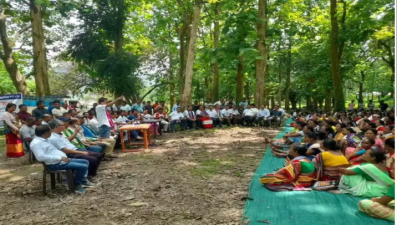
The proposed 55 MW Kulsi hydropower-cum-irrigation project in Assam and Meghalaya has triggered strong opposition from local residents, student groups and environmental activists. Planned on the Kulsi River near Ukiam on the Assam-Meghalaya border, the project is being viewed as a major infrastructure intervention with possible implications for displacement, river ecology and livelihoods in the basin.
Project Overview
- The project is jointly planned by the governments of Assam and Meghalaya.
- It is intended to generate electricity, support irrigation and aid flood control in Kamrup and Goalpara districts.
- The proposed dam site is at Ukiam, near the confluence of the Drone, Sree and Dilma tributaries.
- The Kulsi River originates in the West Khasi Hills of Meghalaya and joins the Brahmaputra after flowing through South Kamrup.
Concerns Over Displacement
- Protesters say the project may require around 26 hectares of land.
- Local groups fear displacement across nearly 36 villages between Ukiam and Nagarbera in Assam.
- They argue that the actual impact may be wider than the official estimate of relocation of 10 villages.
- Civic bodies and student organisations have staged demonstrations in both states.
Environmental and Ecological Risks
- Environmentalists have warned that the project may alter the natural flow of the river.
- The Kulsi basin is known to support the endangered Gangetic river dolphin, locally called Xixhu.
- Experts say changes in water flow and river morphology could affect aquatic life, flora and fauna, and local agriculture.
- Concerns have also been raised about long-term damage to the river ecosystem.
Local Livelihood and Political Context
- Residents say the Kulsi River sustains farming and daily livelihoods in the basin.
- They fear that any disruption could have lasting social and economic consequences.
- No major construction has begun yet, but locals expect movement on the project after the formation of a new government.
- The controversy marks the tension between development goals and environmental protection in the Brahmaputra valley.