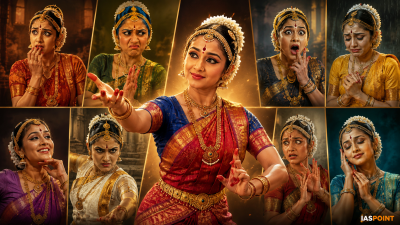
The Navarasa (Nine Sentiments) represent the emotional core of Indian performing arts, particularly classical dance. Codified primarily in the Natya Shastra by Bharata Muni and later expanded by...
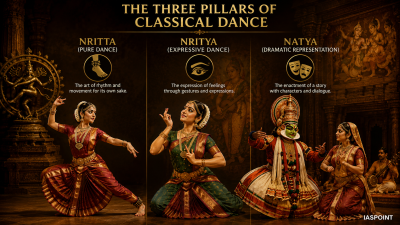
In the study of Indian Art and Culture, the technical structure of classical dance is categorized into three distinct elements: Nritta, Nritya, and Natya. This tripartite classification originates...
The Government of India has proposed amendments to the Sugar Control Order of 1966. This initiative aims to improve regulations governing the sugar sector while ensuring fair remuneration...
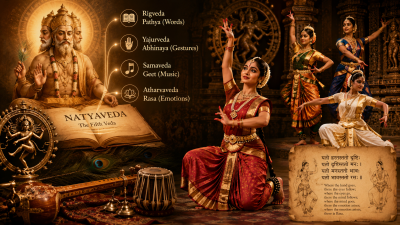
The Natya Shastra is the most exhaustive ancient Indian treatise on the performing arts, encompassing dance, drama, and music. Attributed to Bharata Muni, it is often referred to...
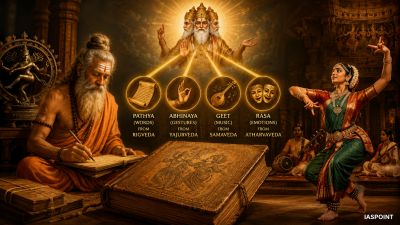
The origins of Indian dance are deeply rooted in the transition from the Vedic period to the classical era, blending spiritual philosophy with physical expression. According to Indian...
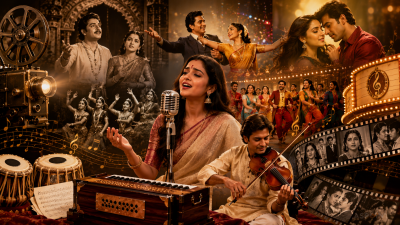
The relationship between Indian cinema and music is symbiotic, dating back to the inception of "talkies" in 1931. Unlike Western cinema, where music often serves as a background...
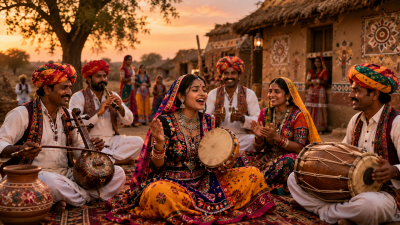
Indian folk music is a diverse tapestry of regional identities, reflecting the socio-cultural, religious, and seasonal life of the rural populace. Unlike classical music, which adheres to the...
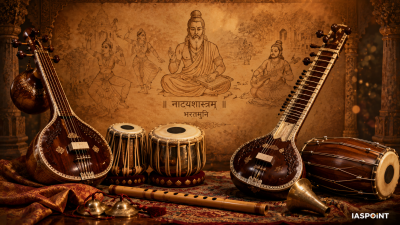
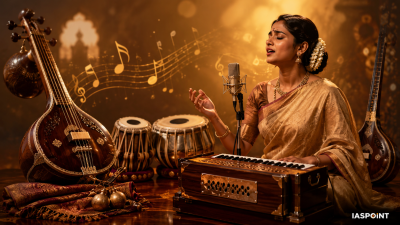
The classification of musical instruments in India is traditionally based on the Natyashastra compiled by Bharat Muni (c. 200 BC – 200 AD). He categorized instruments into four...
Semi-Classical music, often referred to as Sugam Sangeet or Up-shastriya Sangeet, occupies the space between pure classical (Shastriya) and folk music. While these genres are based on classical...
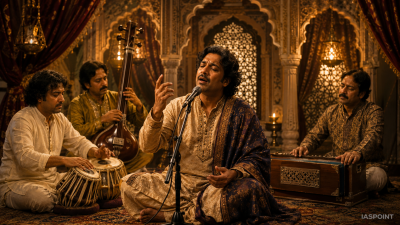
Khayal (or Khyal) is the most prominent genre of Hindustani classical vocal music today. The word "Khayal" is derived from Persian, meaning "imagination" or "fancy," which accurately reflects...