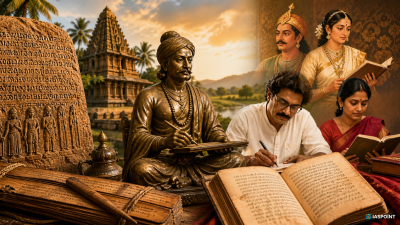
Telugu literature, often referred to as "The Italian of the East" due to its vowel-ending words (Ajanta Bhasha), has a rich history spanning over a millennium. It is...
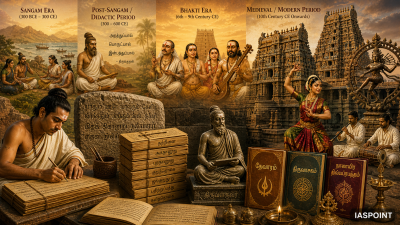
Tamil literature holds the distinction of being one of the oldest living classical traditions in the world, with a recorded history spanning over 2,000 years. It is unique...
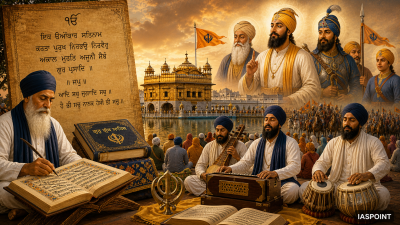
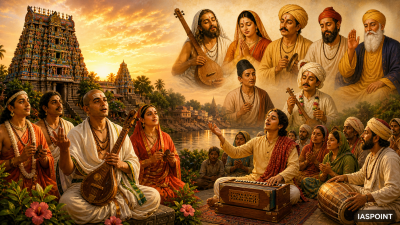
Sikh literature is a vital component of the Indian literary landscape, representing a shift from traditional Sanskrit and Persian to the vernacular Punjabi (written in the Gurmukhi script)....
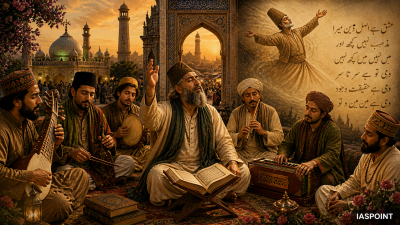
Sufi literature emerged as a profound mystical dimension of Islamic literature in India, paralleling the Bhakti movement. It served as a cultural bridge, blending Persian and Arabic traditions...
Bhakti literature represents a paradigm shift in Indian literary history, moving from the elite-dominated Sanskrit traditions to the grassroots "Bhasha" or vernacular literatures. This movement, which flourished between...
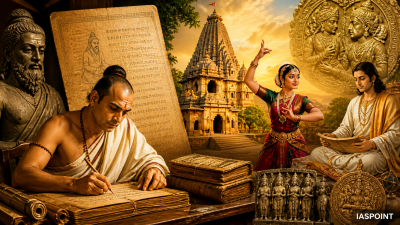
Classical Sanskrit marks a departure from the archaic Vedic Sanskrit, characterized by the formalization of grammar by Panini in his Ashtadhyayi (4th Century BC). This period witnessed the...
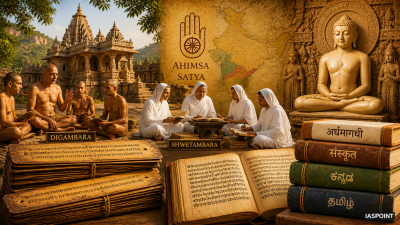
Jain literature, a cornerstone of Indian heritage, is primarily categorized into two major sects: Digambara and Shwetambara. The literature is characterized by its use of various languages, transitioning...
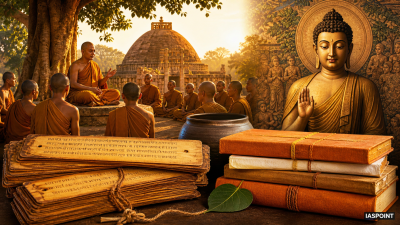
Buddhist literature represents a monumental shift in Indian literary history, moving away from the sacred Sanskrit of the Brahmanical tradition to the vernacular Pali and Prakrit languages to...
The term Sangam refers to the legendary assemblies (academies) of Tamil poets and scholars that flourished under the royal patronage of the Pandyan kings in Madurai. While the...
The word Purana literally translates to "ancient" or "old." While the seeds of Puranic stories are found in the Vedas, the Puranas as a distinct literary genre were...