
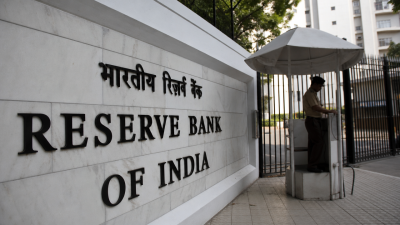
RBI has finalised a revised Scale‑Based Regulation for Upper Layer NBFCs with a simple qualifying asset threshold of ₹1 lakh crore. The change affects systemically important NBFCs and has direct consequences for Tata Sons’ NBFC classification, listing obligation and ownership governance amid an ongoing RBI review of its deregistration plea.
What is the current issue?
- Regulatory change: RBI set the NBFC‑UL asset threshold at ₹1 lakh crore and shortened review cycle to three years.
- Entity impacted: Tata Sons was earlier classified as NBFC‑UL and its mandatory listing deadline has passed; its FY25 standalone assets were ~₹1.75 lakh crore.
- Uncertainty: Tata Sons’ 2024 application to surrender NBFC registration remains under RBI review; final treatment will follow RBI’s identification and notification exercise.
Why it matters
- Governance: NBFC‑UL status triggers mandatory listing and greater disclosure, altering promoter control and trustee obligations.
- Financial stability: Targeted supervision of large NBFCs reduces systemic risk and contagion channels in credit markets.
- Market outcomes: Listing affects minority shareholder rights, transparency and potential monetisation of promoter holdings.
RBI’s revised NBFC‑UL framework: objectives and key features
Objectives
- Systemic risk mitigation: Identify and regulate NBFCs whose size and interconnections can affect financial stability.
- Proportionate oversight: Apply enhanced prudential norms to entities whose activities have systemwide implications.
Key features
- Asset threshold: Simple qualifying NBFC asset threshold of ₹1 lakh crore for NBFC‑UL classification.
- Qualifying assets defined: Focus on loans, advances and financial assets; holdings in listed group companies are excluded from qualifying NBFC assets.
- Non‑automatic classification: RBI will identify and notify the list of NBFC‑ULs after assessment.
- Review cycle: Threshold and list to be reviewed every three years.
- Enhanced norms: NBFC‑ULs will face stricter prudential, governance and disclosure requirements consistent with their systemic role.
Impact on financial stability and the NBFC sector
- Targeted supervision: Limits regulatory burden to large, systemically relevant NBFCs while maintaining lighter rules for smaller entities.
- Contagion control: Enhanced capital, liquidity and governance norms reduce failure spillovers to banks and markets.
- Sector discipline: Signals to NBFCs the need for robust risk management and transparent governance to attract institutional capital.
Implications for Tata Sons
- Classification history: Classified as NBFC‑UL in 2022; mandatory listing timeline has elapsed.
- Current asset position: FY25 standalone assets ~₹1.75 lakh crore, above the ₹1 lakh crore qualifying threshold.
- Deregistration plea: Tata Sons applied in 2024 to surrender NBFC registration; RBI review remains pending.
- Qualifying asset treatment: Under revised rules, stakes in listed affiliates (for example TCS, Tata Motors) are not counted as qualifying NBFC assets. Reduction of qualifying NBFC assets through debt repayment or asset transfers may lower regulatory reach.
- Regulatory outcome: Final requirement to list depends on RBI’s decision on the deregistration application and its next NBFC‑UL identification exercise.
Corporate governance and ownership dynamics
- Promoter structure: Tata Trusts holds 66% of Tata Sons; Shapoorji Pallonji group holds ~18%.
- Internal division: Trustees differ on listing — chairman opposes listing while other trustees and minority shareholder seek listing for transparency and monetisation.
- Listing effects: Public listing would trigger SEBI disclosure norms, board composition rules, minority protections and periodic reporting.
- Trust responsibilities: Trustees must balance fiduciary duties to beneficiaries with obligations under corporate law and regulatory mandates affecting the holding company.
Challenges for diversified holding companies
| Key challenge | Regulatory implication | Strategic response |
| Measuring qualifying NBFC assets | Determines NBFC‑UL status and related obligations | Reclassify assets; separate financial vs non‑financial holdings; obtain RBI clarity |
| Maintaining control vs disclosure | Listing can dilute control and increase oversight | Selective listing, holding company restructuring, dual‑class shares (subject to law and SEBI rules) |
| Compliance burden | Higher costs, stricter governance | Invest in compliance, governance upgrades, independent board members |
Pathways for compliance or exemption
- Deregistration: Apply to RBI to surrender NBFC licence; outcome is discretionary and under review in Tata Sons’ case.
- Asset reduction: Reduce qualifying NBFC assets by repaying debt, transferring lending portfolios, or converting assets to non‑qualifying forms.
- Structural separation: Hive off NBFC functions into a distinct entity that can be scaled down or listed separately.
- Listing and compliance: Accept NBFC‑UL status, list within regulatory timelines and upgrade governance to meet SEBI and RBI requirements.
- Legal and regulatory engagement: Seek RBI clarifications on asset treatment and classification procedures; use formal dialogue channels and written submissions.
Role of the RBI and the regulatory process
- Identification and notification: RBI will formally identify NBFC‑ULs and publish the list after assessment; classification is not automatic.
- Supervisory tools: RBI can impose prudential, governance and reporting requirements calibrated to systemic risk.
- Periodic review: Triennial review of the threshold enables RBI to adjust the perimeter to macro‑financial conditions.
- Case‑by‑case discretion: Applications such as surrender of registration are evaluated on facts and policy intent.
Contribution to corporate governance
- Transparency: NBFC‑UL designation and potential listing increase public disclosure of financials and related‑party transactions.
- Accountability: SEBI listing norms and RBI prudential rules strengthen board responsibilities and risk oversight.
- Investor protection: Public listing enhances minority shareholder rights and market discipline for large financial intermediaries.
Model Questions
1. Analyse the objectives and principal features of the Reserve Bank of India’s revised Scale‑Based Regulation for Upper Layer NBFCs and assess its role in containing systemic risk. [GS‑III: Economic Development]
Answer: The framework sets a ₹1 lakh crore qualifying NBFC asset threshold with a three‑year review. It focuses on loans, advances and financial assets while excluding stakes in listed group companies. RBI will identify NBFC‑ULs and impose enhanced prudential, liquidity and governance norms. Targeted oversight narrows regulatory perimeter to systemically significant entities and reduces contagion risk across banks, markets and NBFC linkages.
2. Critically examine the implications of NBFC‑UL classification for promoter‑held entities such as Tata Sons with reference to mandatory listing and internal governance tensions. [GS‑II: Governance]
Answer: NBFC‑UL classification can trigger mandatory listing, increasing disclosure and SEBI compliance. For promoter‑held entities it raises conflict between control objectives and transparency demands. Internal trustee disagreement on listing, differing minority investor goals and fiduciary duties complicate decisions. Options include deregistration, asset restructuring or listing; each alters governance, minority protections and promoter influence, and requires RBI and SEBI alignment.
3. Evaluate the operational and legal challenges large diversified holding companies face under evolving NBFC regulation and outline viable compliance or exemption pathways. [GS‑III: Economic Development]
Answer: Challenges include identifying qualifying NBFC assets, meeting enhanced prudential norms, and reconciling control with public listing. Legal issues involve licence surrender, asset transfers and regulatory approvals. Pathways: seek deregistration, reduce qualifying assets via repayment or transfers, hive off NBFC activities, or comply and list. Engagement with RBI for asset treatment clarity and phased compliance reduces execution risk.
4. To what extent do RBI’s enhanced NBFC‑UL measures strengthen corporate governance of systemically important entities? Discuss with reference to disclosure, board oversight and investor protection. [GS‑II: Governance]
Answer: Measures strengthen governance by bringing large NBFCs into a stricter regulatory regime, mandating higher disclosure, board independence and risk controls. Listing enforces periodic reporting and minority safeguards under SEBI rules. Enhanced supervision improves accountability and market discipline. However, effectiveness depends on enforcement, clarity on asset treatment and timely RBI identification of NBFC‑ULs.
Last Modified: June 30, 2026