
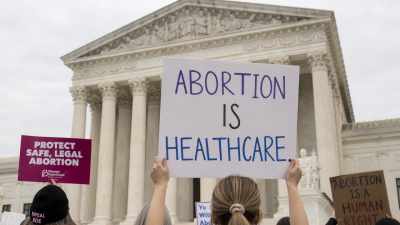
Recently, multiple US state and federal actions have reshaped access to abortion and reproductive technologies while Indian courts continue to decide individual medical cases. Developments range from state-level injunctions restoring abortion services to administrative redefinitions of embryos and legislative measures affecting court procedure.
What is the current issue
Reproductive rights now involve constitutional rights to bodily autonomy, statutory regulation of abortion and assisted reproduction, cross-jurisdictional disputes over medication and telehealth, and emergent “fetal personhood” claims that may change legal status of embryos. Judicial, legislative and executive measures in several jurisdictions are altering access pathways and litigation strategy.
Why it matters
- Governance: Law-making, court structure and procedure affect enforceability of rights and remedies.
- Health policy: Access to safe abortion, mifepristone, IVF and related services affects maternal morbidity and public health outcomes.
- Federalism & international relations: Cross-border service and medication flows create inter-state conflicts and extraterritorial legal exposure.
- Ethics & society: Redefining embryos alters clinical practice, consent frameworks and access to contraception.
Constitutional and legal framework (India)
Fundamental rights basis: Reproductive choice and bodily autonomy are read within Article 21 (life and personal liberty) and privacy jurisprudence (e.g., Puttaswamy). Courts treat reproductive decisions as aspects of dignity and medical privacy. Statutes: MTP Act, 1971 and MTP (Amendment) Act, 2021 set gestational limits and medical-opinion requirements. Assisted Reproductive Technology (Regulation) Act, 2021 and Surrogacy (Regulation) Act, 2021 regulate IVF, surrogacy and related services. These statutes allocate clinical standards and institutional responsibilities.
Judicial intervention: Indian context
Court intervention serves twin roles: (a) individual relief — courts permit termination beyond statutory limits on humanitarian, medical or fetal-abnormality grounds; (b) systemic clarification — courts interpret consent, capacity and institutional obligations. The Karnataka High Court permitting a hysterectomy in a special case illustrates judicial balancing of medical necessity, autonomy and best interests.
Global judicial, legislative and executive trends
| Actor | Representative actions | Effect on access |
|---|---|---|
| Judiciary (US states) | Missouri: injunction reversing restrictions; North Dakota: Supreme Court upholding ban due to supermajority rule | Patchwork access; litigation-driven restorations or restrictions |
| Legislature | Tennessee and Utah: amendments affecting sovereign immunity, court composition and appellate pathways | Procedural barriers to merit adjudication; longer litigation timelines |
| Executive | Oregon: state protections and funding for providers; HHS: embryo redefinition in grant guidance | Supportive or restrictive administrative policy shaping service environment |
| High courts / SCOTUS | Temporary reinstatement of telehealth access to mifepristone | Interim relief pending lower-court review; uncertainty persists |
Federalism, inter-state challenges and technology
Cross-border medication and services: Shipment of mifepristone and telehealth prescriptions create jurisdictional clashes. States differ in criminal and civil exposure for providers and patients. Telemedicine: Expands access, especially in underserved areas. Legal uncertainty and conflicting injunctions make provider liability and supply chains fragile.
Ethical and social dimensions
- Fetal personhood: Administrative redefinition of frozen embryos as “children” shifts legal status relevant to IVF, embryo disposition, research and contraception policy.
- Autonomy versus fetal interest: Legal elevation of embryos may constrain clinical decisions and force value-based adjudication in health law.
- Social equity: Restrictions disproportionately affect marginalised groups—rural, low-income, minors, disabled women—widening health disparities.
Science, technology and clinical implications
Mifepristone and telehealth: Medication abortion safety is supported by evidence. Litigation over distribution and tele-prescription threatens established clinical protocols and supply chains. ART and IVF: Legal definitions of embryos affect consent processes, storage, disposal, and donor/recipient rights. Regulatory clarity is essential for clinical governance.
Procedural hurdles and institutional challenges
- Standing and injunction standards: Courts in several jurisdictions are adopting procedural doctrines that prevent merits consideration—e.g., stricter standing rules, higher thresholds for preliminary relief.
- Court structure manipulation: Legislative creation of specialised judicial panels or changes in bench composition can affect outcomes and timeliness of relief.
- Sovereign immunity and appellate routes: Statutory changes granting states automatic appeal rights or restoring immunity can delay or foreclose judicial review.
Way forward and reforms
- Legal clarity: Review and codify grounds for termination, telehealth prescriptions and cross-border medication to reduce litigation over procedural technicalities.
- Judicial process safeguards: Preserve impartiality by insulating court composition from ad hoc political changes; adopt clear standing and injunction principles for public-interest health litigation.
- Regulatory alignment: Harmonise ART, MTP and public health regulations with scientific standards and informed consent norms.
- Access measures: Expand telemedicine infrastructure, ensure state funding for provider continuity, and create safe-harbour protections for providers acting under law.
- Ethics and public policy: Convene expert committees to assess implications of embryo personhood definitions and provide legislative guidance balancing autonomy, public health and research needs.
Model Questions
1. Critically examine the evolution of reproductive rights jurisprudence in India, particularly regarding medical termination of pregnancy, and analyse how recent global judicial and legislative trends might influence its future trajectory. [GS-II: Constitution of India & Polity]
India’s jurisprudence places reproductive choice within Article 21 and privacy. Statutes—MTP Act (amended 2021), ART Act—set clinical limits. Courts grant relief in exceptional humanitarian or medical cases. International trends—state injunctions, embryo personhood moves, telehealth litigation—show how procedural law, executive definitions and cross-jurisdictional clashes can alter access. India needs clear statutory safeguards, harmonised clinical rules and judicial frameworks to prevent procedural denial of substantive rights.
2. “Reproductive rights are increasingly a battleground between legislative intent, executive action, and judicial review, often highlighting federal complexities.” Discuss in light of recent international developments on abortion access and medication shipment. [GS-II: Governance]
Recent US-state actions show legislation altering court structures and sovereign-immunity rules, executives redefining grant terms, and courts issuing disparate injunctions. Mifepristone telehealth disputes reveal federal-state tension over supply and prescribing authority. The result is fragmented access and litigation-driven remedies. Good governance needs statutory clarity, coordinated executive rules, uniform regulatory standards for telemedicine and inter-state compacts to reduce legal fragmentation.
3. Analyse the ethical and social implications of emerging concepts like ‘fetal personhood’ and the redefinition of embryos on access to abortion, IVF treatment, and birth control. [GS-IV: Ethics, Integrity and Aptitude]
Fetal personhood elevates embryo status, affecting consent, disposal and clinical choice. Ethically, it creates conflict between maternal autonomy and legal duties to embryos. Social effects include restricted IVF options, potential criminal exposure for providers, and reduced contraception access. Policy must balance moral plurality with clinical autonomy, protect informed consent, and prevent legal standards that disproportionately harm vulnerable populations.
4. In the context of judicial interventions on reproductive rights, discuss challenges posed by procedural hurdles adopted by courts and suggest reforms to ensure equitable access to reproductive healthcare. [GS-II: Governance]
Procedural barriers—narrow standing, higher injunction thresholds, altered appellate routes—delay or block merits adjudication and equitable remedies. Institutional reforms should include statutory tests for public-interest standing, expedited interlocutory processes for health claims, protections against manipulative court-structure changes, dedicated health benches or specialist panels, and legal aid to ensure vulnerable groups can access judicial relief.
Last Modified: June 23, 2026