
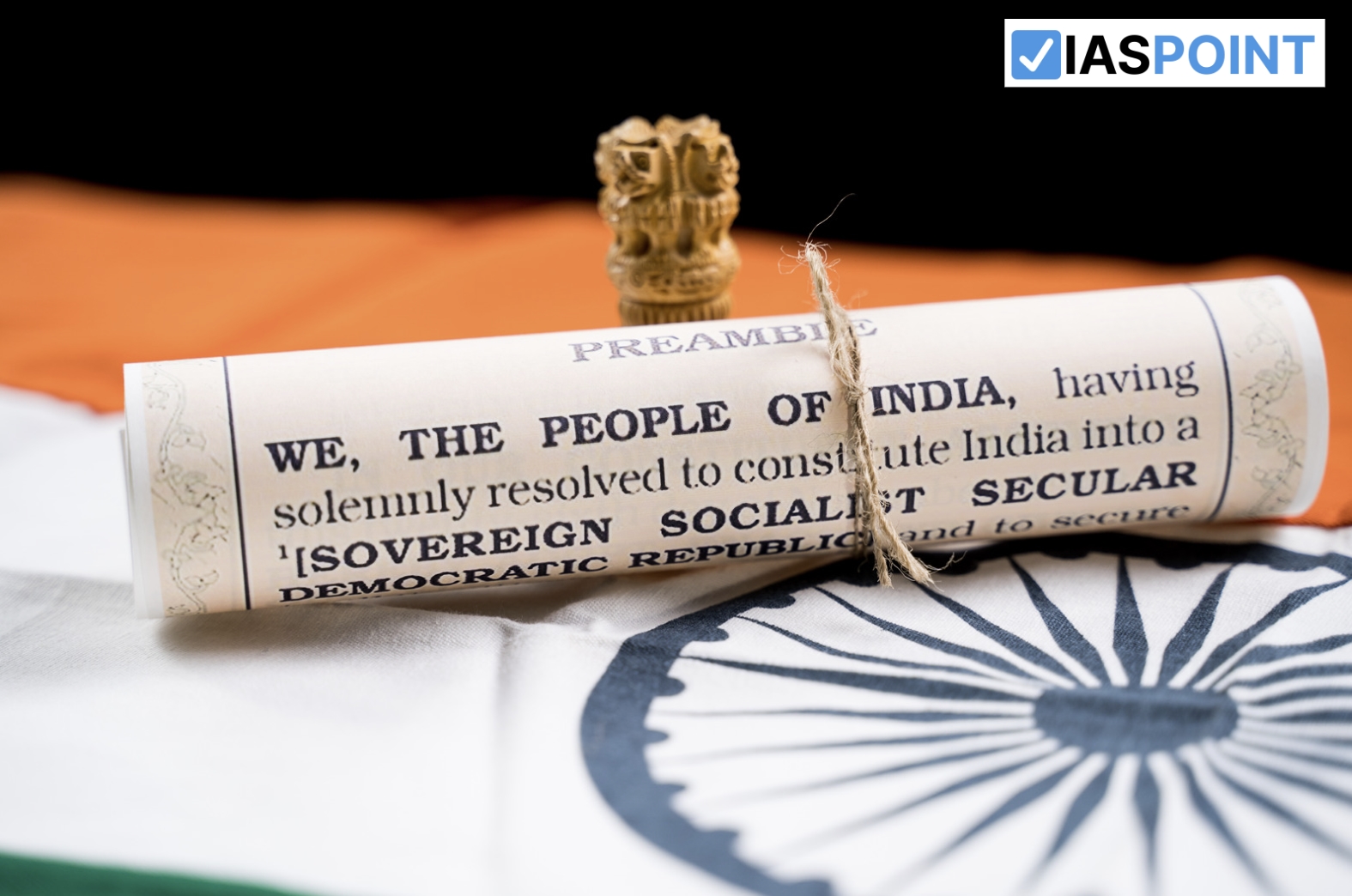

Doctrines are fundamental principles or rules in law. They guide the interpretation and application of legal frameworks. In the Indian context, these doctrines help resolve conflicts between legislative powers and constitutional mandates.
Doctrine of Pith and Substance
This doctrine addresses conflicts between subjects in different legislative lists. It determines the true nature of a law to ascertain its legislative competence. The essence of the law is evaluated rather than its form. This doctrine allows flexibility in law-making. It was notably applied in the case of State of Bombay vs. F.N. Balasar, affirming its importance in Indian jurisprudence.
Doctrine of Colourable Legislation
This doctrine arises from the principle of separation of powers. It asserts that a legislature cannot indirectly legislate on matters outside its jurisdiction. The courts assess the substance of the law rather than its label. Key tests include examining the law’s object and effect. A landmark case illustrating this doctrine is K.C. Gajapati Narayana Deo vs. The State of Orissa.
Doctrine of Basic Structure
The Basic Structure doctrine asserts that certain fundamental features of the Constitution cannot be altered or destroyed by Parliament. This was established in Keshavananda Bharati vs. State of Kerala, which emphasised that while Parliament can amend the Constitution, it cannot disturb its basic structure. Other cases include Shankari Prasad vs. Union of India and Golak Nath vs. State of Punjab.
Doctrine of Harmonious Construction
This doctrine promotes the interpretation of statutes in a way that reconciles conflicting provisions. It seeks to maintain coherence within the law. The Supreme Court, in CIT vs. Hindustan Bulk Carriers, laid down principles for harmonious construction, emphasising the importance of avoiding contradictions in legal provisions.
Doctrine of Eclipse
Under Article 13(1), this doctrine states that laws inconsistent with fundamental rights are invalid. However, such laws are not entirely dead; they can be revived if the conflict is resolved. The doctrine was first applied in Bhikaji vs. State of Madhya Pradesh.
Doctrine of Incidental and Ancillary Powers
This doctrine extends the Pith and Substance doctrine. It allows legislatures to legislate on ancillary matters related to their subjects. However, this power is not limitless. In R M D Charbaugwala vs. State of Mysore, the court ruled that while states can legislate on wagering, they cannot impose taxes on it, as it is a separate subject.
Doctrine of Severability
The doctrine of severability allows for the invalidation of only the offending parts of a statute. If a law contains both valid and invalid provisions, the valid sections remain enforceable. The Supreme Court clarified this in RMDC vs. UOI, emphasising that the doctrine is concerned with substance rather than form.
Doctrine of Territorial Nexus
This doctrine is outlined in Article 245 of the Constitution. It allows Parliament to legislate for the entire territory of India, even if the law has extraterritorial effects. The Supreme Court applied this doctrine in Tata Iron Steel vs. State of Bihar, confirming the validity of such laws.
Doctrine of Laches
Laches refers to the principle that delays in asserting rights may bar claims. It is based on the maxim that “equity aids the vigilant”. However, the Supreme Court has ruled that fundamental rights cannot be denied solely due to delay, as seen in Ravindra Jain vs. UOI.
Doctrine of Waiver
The doctrine of waiver involves a person voluntarily relinquishing a known right. In Basheshar Nath vs. Commissioner of Income Tax, the Supreme Court held that fundamental rights cannot be waived. However, individuals can waive certain advantages, as illustrated in Jaswantsingh Mathurasingh vs. Ahmedabad Municipal Corporation.
Doctrine of Judicial Review
Originating from the United States, this doctrine empowers the judiciary to review laws and actions of the legislature and executive. The judiciary can declare laws unconstitutional if they violate constitutional provisions. Both the Supreme Court and High Courts in India exercise this power, with the Supreme Court holding final authority.
Doctrine of Due Process of Law
This doctrine ensures that laws must not only exist but also be fair and just. It protects individuals from arbitrary state actions. In Maneka Gandhi vs. Union of India, the Supreme Court brought into light that procedures must be fair, not oppressive.
Procedure Established by Law vs. Due Process of Law
The two doctrines differ . “Procedure established by law” validates laws enacted by proper legislative procedures. In contrast, “due process of law” requires that laws be fair and just. The latter scrutinises the substance of the law, while the former focuses on its form.
Doctrine of Constitutional Morality
This doctrine ensures that the Constitution protects minority rights against majoritarian rule. It plays a counter-majoritarian role, safeguarding individual liberties. The Supreme Court has consistently upheld this doctrine to maintain the spirit of the Constitution.
Significance of Doctrines in Indian Law
The doctrines under the Constitution of India provide a framework for interpreting laws and resolving conflicts. They ensure that legislative powers are exercised within constitutional limits. These doctrines protect fundamental rights and uphold the principles of justice and equity.
Applications of Doctrines in Case Law
Numerous landmark cases illustrate the application of these doctrines. They shape the legal landscape and influence judicial decisions. The doctrines serve as guiding principles for courts in interpreting laws and ensuring justice.


